Most visitors to Egypt build their itinerary around the Nile and the desert — Cairo, Luxor, Aswan, the long golden thread of pharaonic monuments running south. Alexandria sits apart from that story, facing north, toward the Mediterranean rather than the river. It was founded not by a pharaoh but by a 25-year-old Macedonian conqueror in 331 BC, and for nearly a thousand years afterward it was arguably the most important city in the ancient world — Greek in its administration, Egyptian in its soil, and eventually Roman in its armies, with all three leaving fingerprints on everything that survives.
A day trip from Cairo to Alexandria covers roughly 220 kilometers and two and a half to three hours each way, and it trades the pyramids' deep antiquity for something different: the visible layering of Greek, Roman, and Islamic Egypt stacked on top of one another in a single coastal city, plus a 20th-century postscript written in the desert just west of town.
A City Built for a Library That No Longer Exists
Alexander the Great chose the site himself in 331 BC, reportedly sketching the city's layout in barley flour when no chalk was on hand, then left to conquer the rest of the known world and never returned to see it built. It was his successors, the Ptolemaic dynasty of Greek pharaohs, who turned Alexandria into the intellectual capital of the ancient Mediterranean — and the single structure most responsible for that reputation, the Great Library of Alexandria, no longer exists in any form. It was lost gradually, through fires, funding cuts, and political upheaval over centuries, not in one dramatic blaze as popular legend insists, and nothing of the original building has ever been located by archaeologists.
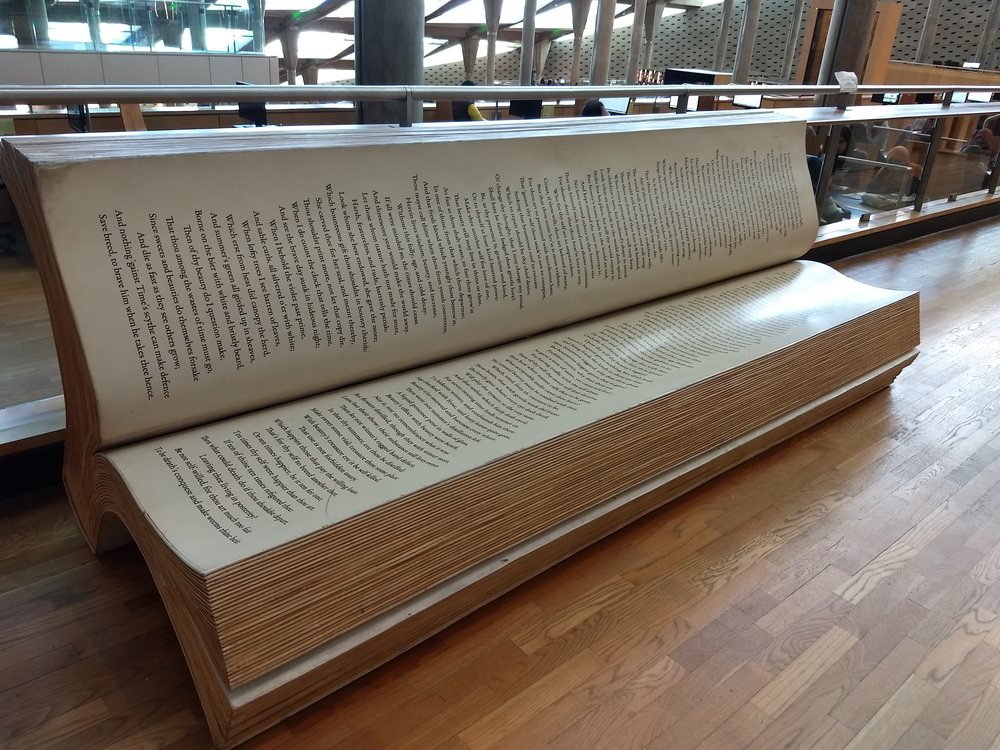
What stands today in its place is the Bibliotheca Alexandrina, opened in 2002 roughly a mile from the ancient library's presumed location — a deliberate act of civic memory rather than a reconstruction. Its circular reading room, carved into a granite disc tilted toward the sea and ringed with inscriptions from scripts in every major world alphabet, is one of the most striking pieces of modern architecture in Egypt, and it functions as a working library, several museums, and a planetarium rather than a monument you simply photograph and leave.
The Lighthouse That Became a Fortress
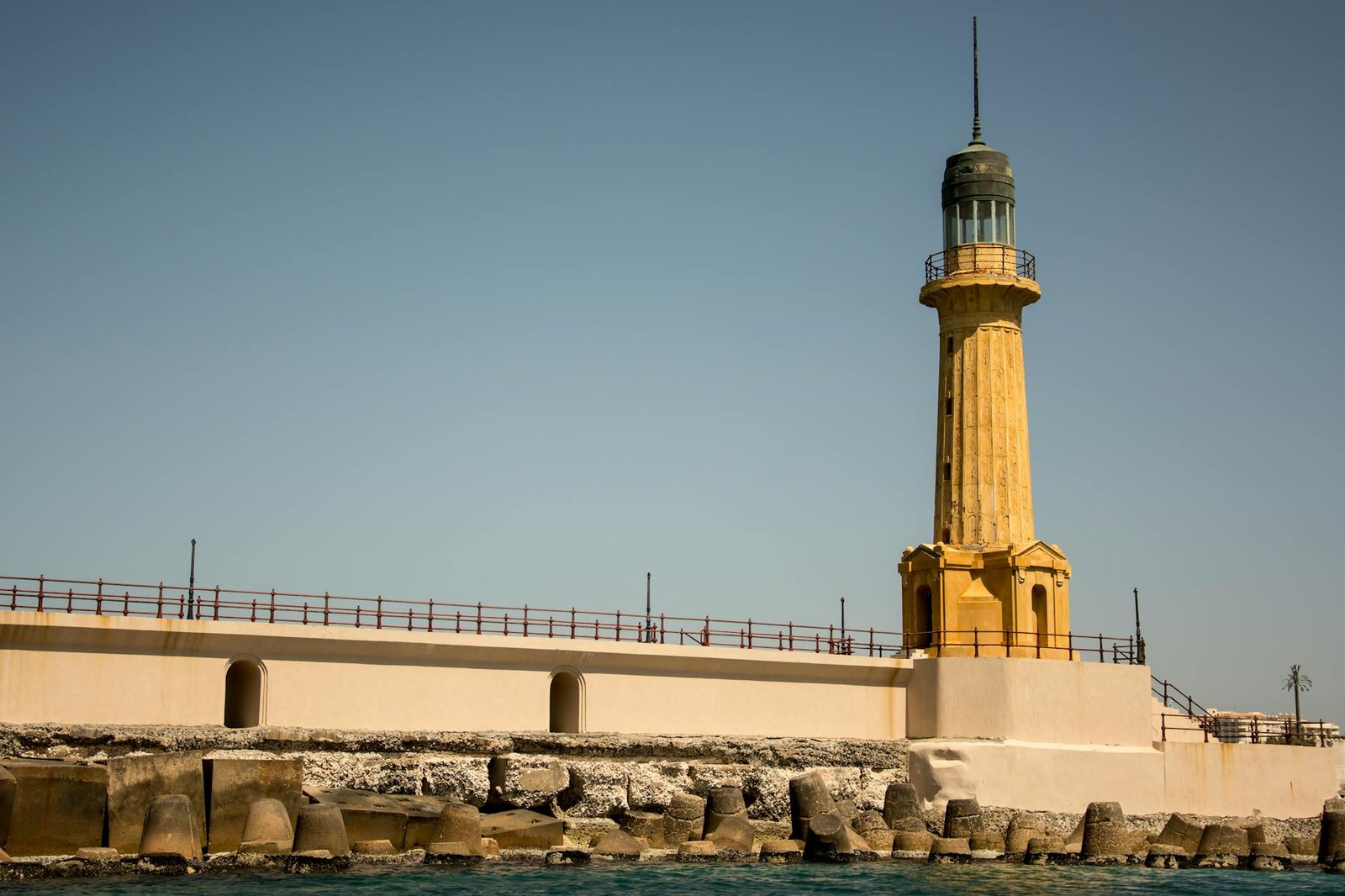
The Pharos of Alexandria, completed around 280 BC under Ptolemy II, stood for roughly 1,600 years — longer than any other wonder of the ancient world except the pyramids it was once ranked alongside. Estimates place its height above 100 meters, making it one of the tallest structures on Earth for most of its existence, a stone and marble tower with a fire burning at its summit that sailors could reportedly see from many kilometers out at sea. A series of earthquakes between the 4th and 14th centuries gradually brought it down, and by 1303 it was effectively ruins.
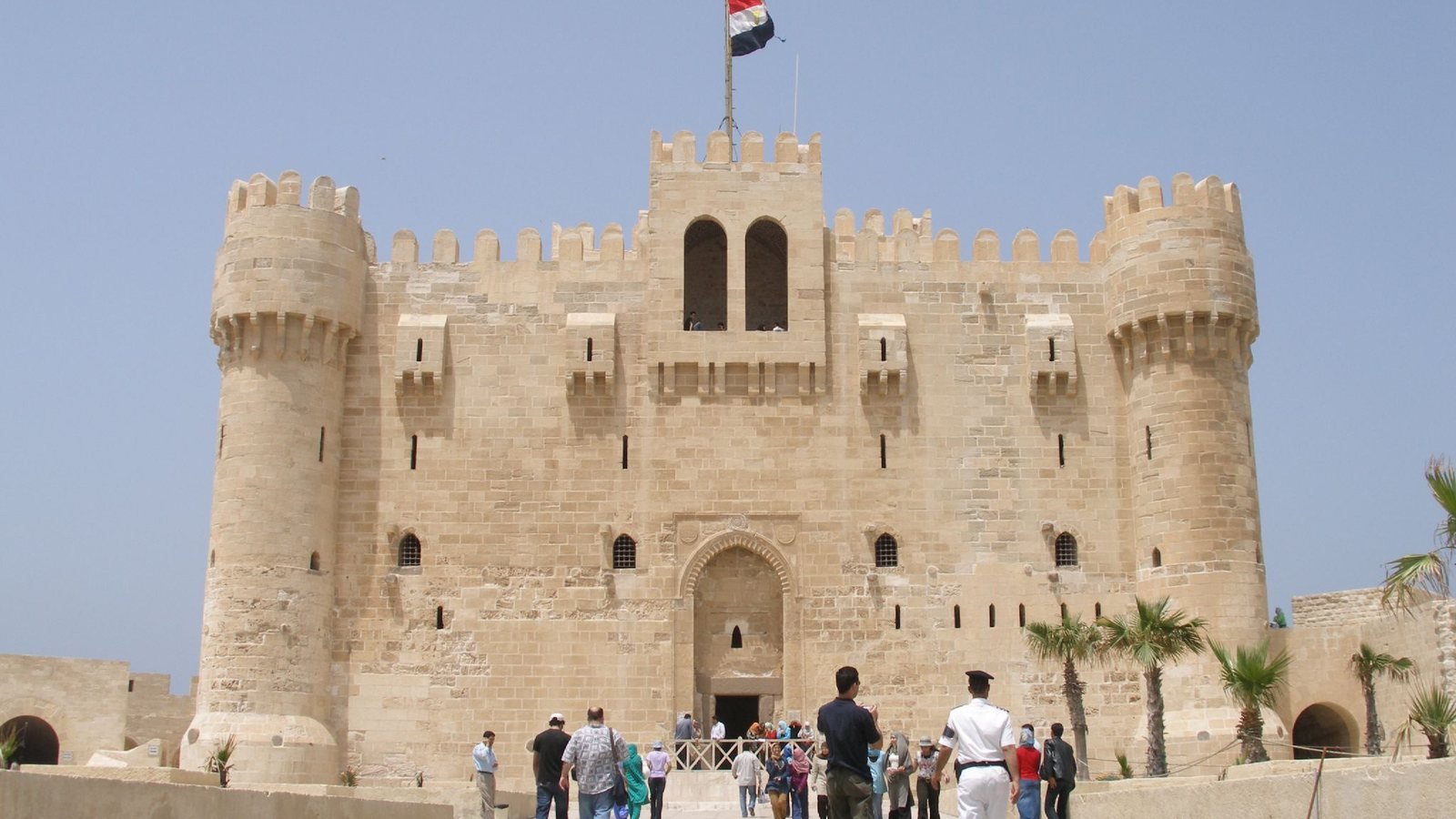
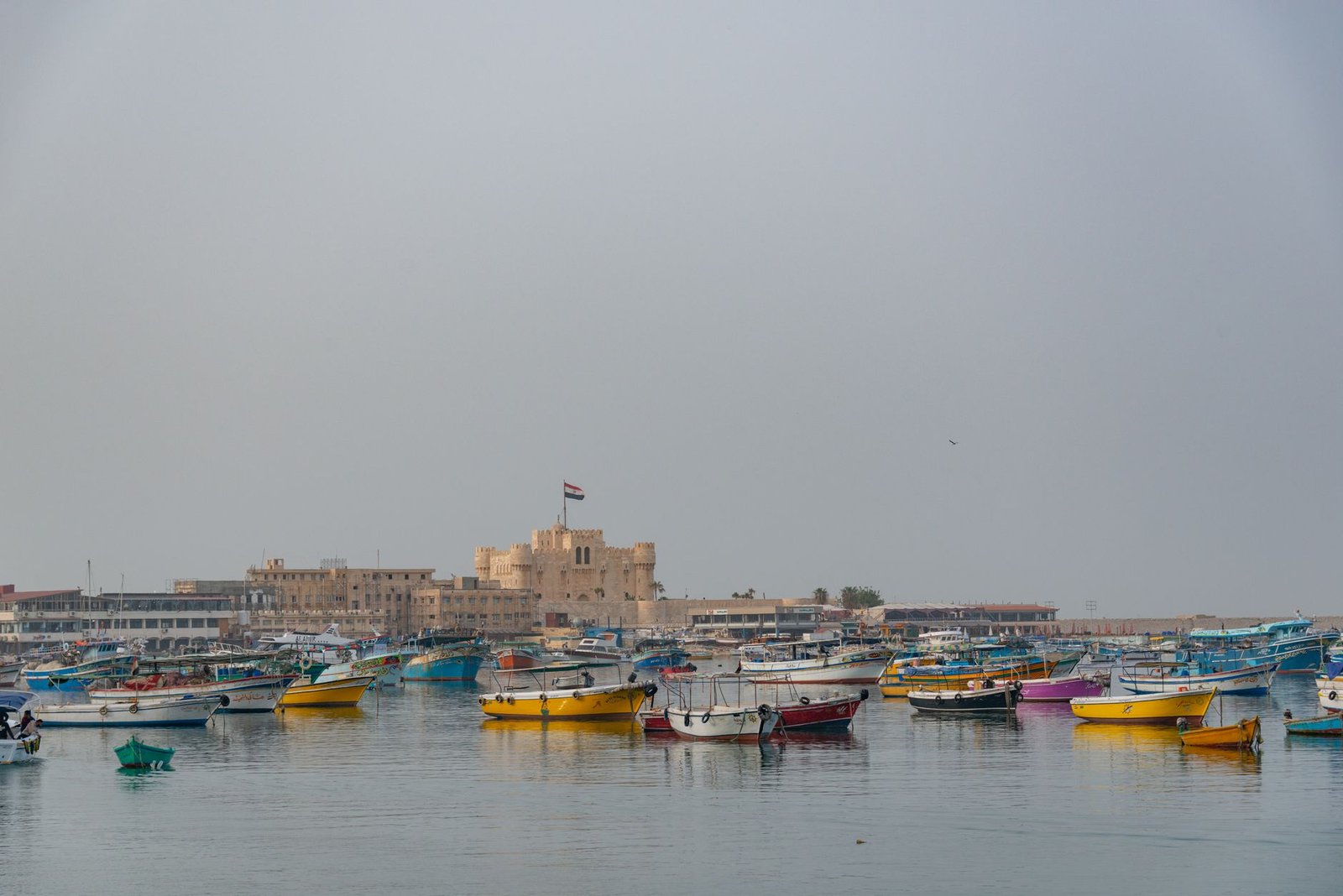
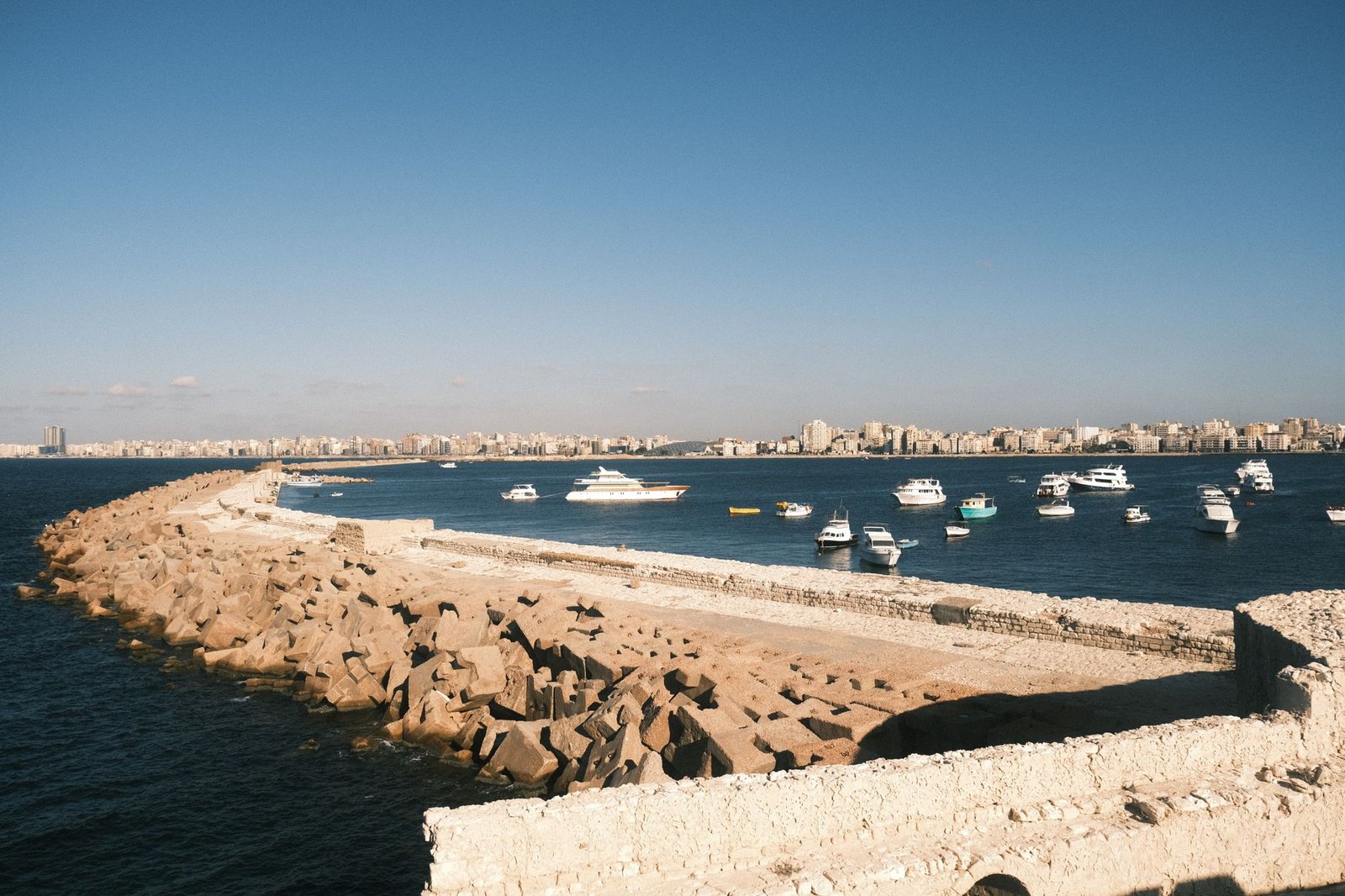
In 1480, Sultan Qaitbay built a coastal fortress directly on the lighthouse's foundations, reusing some of its fallen stone blocks in the new construction — a detail archaeologists have confirmed by matching masonry. The Citadel of Qaitbay that stands there today is the closest thing Alexandria has to a monument on the actual site of the vanished Wonder, and its ramparts, facing straight out into the harbor, give one of the best unobstructed views of the Mediterranean anywhere on Egypt's coast.
See Alexandria for Yourself
Reading about a vanished lighthouse and a reborn library is one thing. Standing on the harbor wall where the Pharos once stood, or walking down into a catacomb carved by hands that mixed three civilizations into one, is another. These Egypt Sun Travel tours get you there with a guide who can tell the difference between the legend and the archaeology.
Underground: Three Cultures in One Tomb
The Catacombs of Kom el Shoqafa, discovered by accident in 1900 when a donkey reportedly fell through the ground, descend roughly three stories into the bedrock and form the largest known Roman-era burial site in Egypt. Carved in the 2nd century AD, they were used continuously by Alexandria's mixed population for generations, and the result is a genuinely unusual visual record: funerary niches guarded by figures dressed as Roman soldiers but posed and carved in the stiff, frontal style of pharaonic art, with Egyptian gods like Anubis rendered in Roman military dress.
Nearby stands Pompey's Pillar, a single column of red Aswan granite rising about 27 meters — one of the largest ancient monolithic columns still standing outside Rome itself. Despite the name, it has nothing to do with the Roman general Pompey; it was actually erected around 297 AD in honor of Emperor Diocletian, and the misattribution dates back to medieval travelers who guessed wrong and whose mistake simply stuck for a thousand years.
El Alamein: A Different Kind of History, 130 Kilometers West
Many Alexandria day trips extend west into the desert along the coast road toward El Alamein, where in October and November 1942 Allied forces under Bernard Montgomery halted the advance of Erwin Rommel's Afrika Korps in what became a turning point of the North African campaign — Winston Churchill later called it, roughly, the end of the beginning. The battle cost tens of thousands of casualties on both sides across a stretch of open desert that, outside the war cemeteries, looks much as it did in 1942.
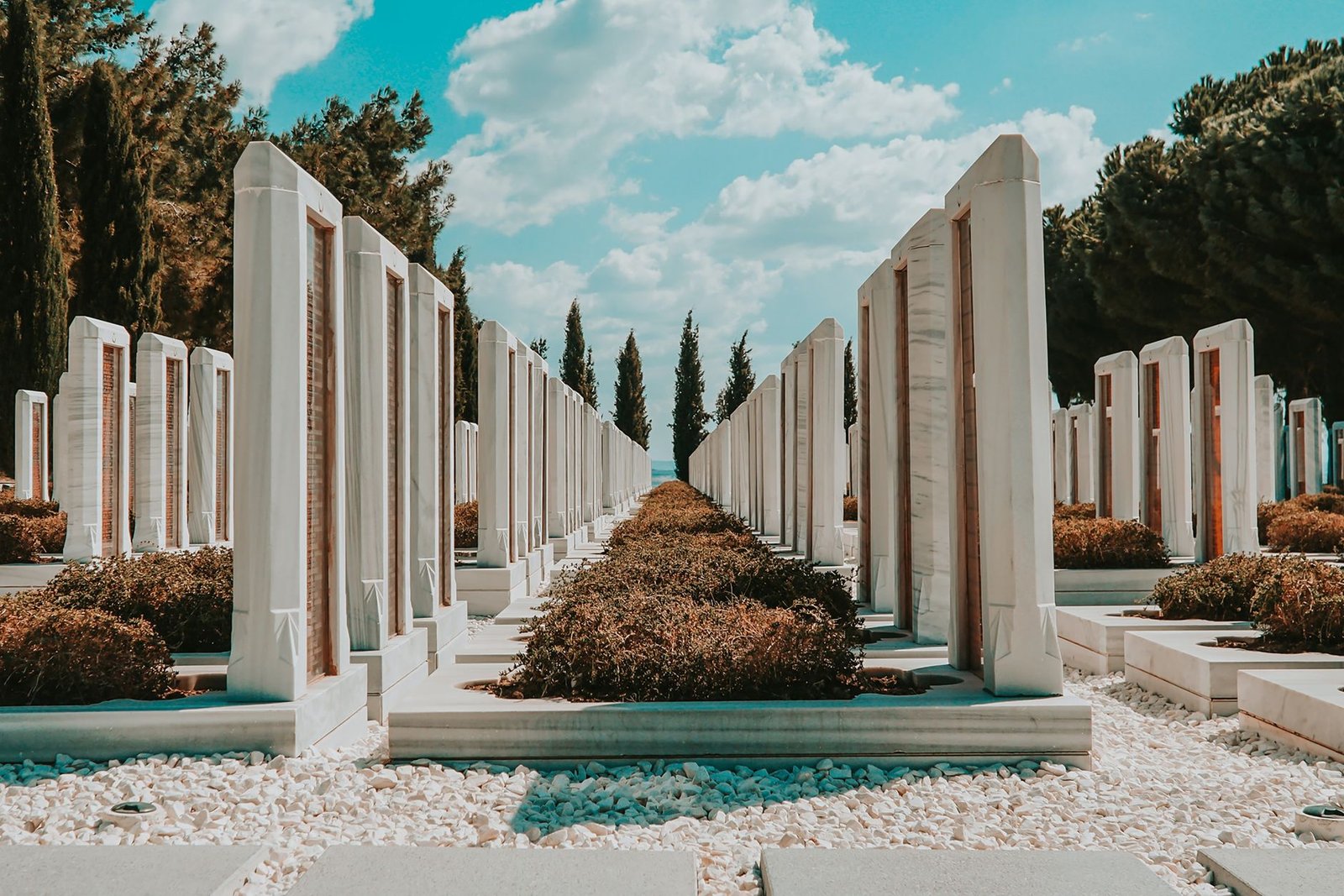
The El Alamein War Cemetery, maintained by the Commonwealth War Graves Commission, holds more than 7,000 graves along with a memorial to soldiers whose bodies were never recovered; separate Italian and German cemeteries nearby hold their own dead with equally careful, equally somber upkeep. It is a sobering, quiet counterpoint to the ancient history back in the city — one battlefield, three nations' cemeteries, standing side by side in the same desert.
A Different Egypt, Worth the Extra Day
Alexandria rarely gets the headline billing that Cairo and Luxor command, and that is partly a matter of visibility: its greatest ancient structures, the Lighthouse and the Library, are both gone, leaving a city whose history has to be read through substitutes, fragments, and reconstructions rather than intact ruins you can walk straight into. But that is also what makes it worth the trip — a place where Macedonian, Egyptian, Roman, and Ottoman layers are visible almost on top of each other, closing with a 20th-century chapter written in the same desert sand that has absorbed every other empire that passed through.