Every first-time Egypt itinerary question eventually collapses into the same version of itself: "I only have about a week — where do I actually go?" It's a reasonable question to dread, because Egypt doesn't fit neatly into seven days. The country stretches from the Mediterranean coast to the Sudanese border, and a quick search turns up itineraries covering everything from Siwa's desert oases to Red Sea diving, each insisting it's essential.
The honest answer, repeated by nearly every experienced guide and travel planner, is simpler than the search results suggest: for a first visit of around a week, Cairo and Luxor are the two cities that matter most, and trying to add a third major stop usually costs you something at one of the other two. This isn't a compromise — it's the itinerary that experienced Egypt travelers keep landing on after trying everything else.
Two Cities, Two Different Egypts
Cairo and Luxor aren't a random pairing of "big city plus ancient site" — they cover two genuinely different layers of Egyptian history that barely overlap. Cairo is where you meet the Old Kingdom: the Pyramids of Giza and the Sphinx, built roughly 4,500 years ago, plus the Grand Egyptian Museum's collection that spans the full sweep of pharaonic civilization in one building. It's also a living city of over twenty million people, which gives the trip its contemporary counterweight.
Luxor, by contrast, is almost entirely New Kingdom — the temples of Karnak and Luxor on the East Bank, and the royal tombs of the Valley of the Kings and mortuary temples like Hatshepsut's on the West Bank, all dating from roughly a thousand years after Giza's pyramids. Seeing both cities in one trip means watching Egyptian civilization change across a millennium and a half, rather than seeing one era repeated in different locations, which is what happens on itineraries that skip Luxor for a third Red Sea resort stop instead.
How Much Time Each City Actually Needs
Cairo realistically needs two to three full days. One day covers Giza and the Sphinx at a pace that doesn't feel rushed, ideally starting early before the heat and tour buses build up. A second day goes to the Grand Egyptian Museum and, if there's time, Islamic and Coptic Old Cairo. A third day, when the schedule allows it, is well spent at Saqqara and Memphis, seeing where the whole idea of the pyramid actually began.
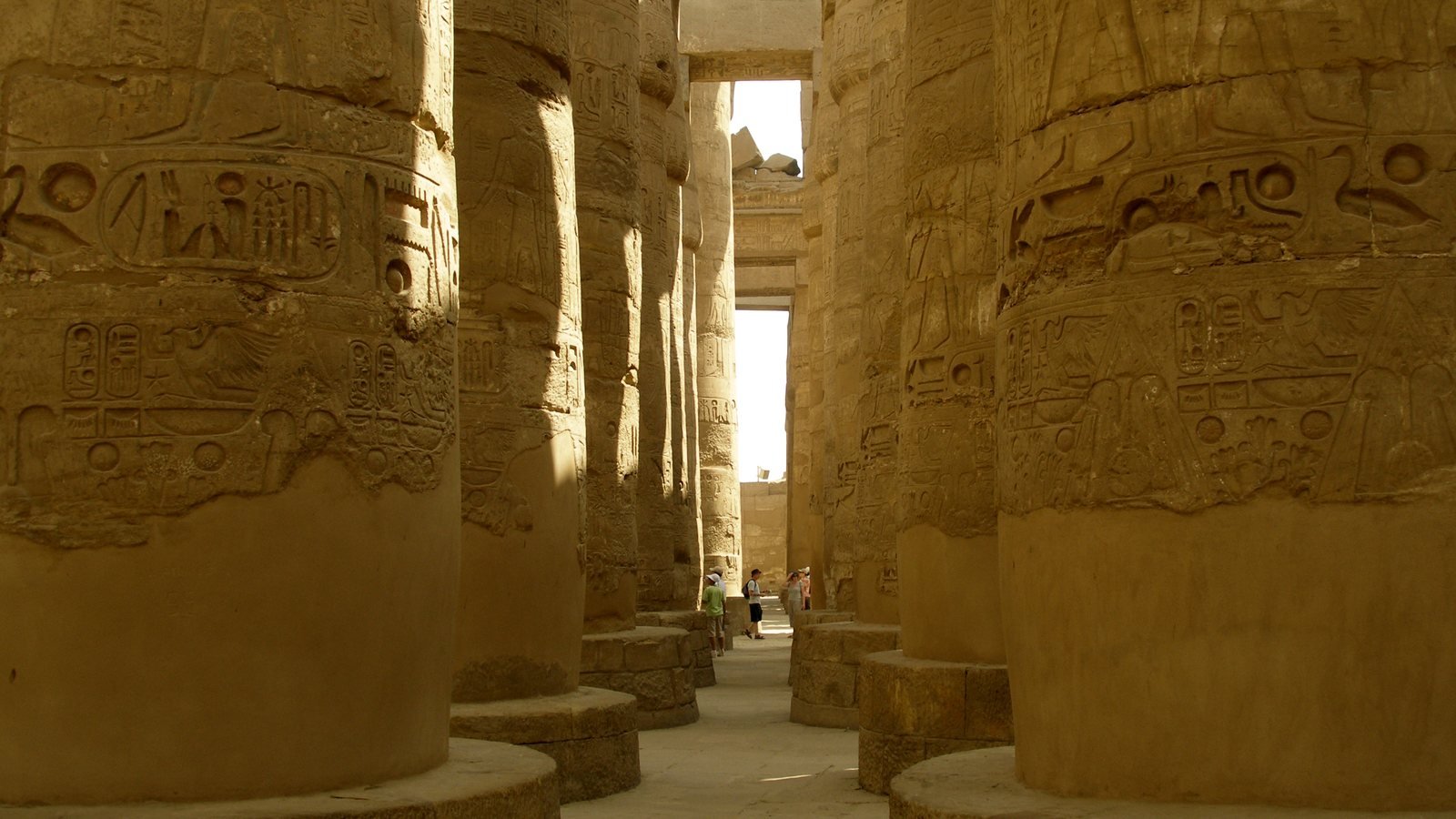
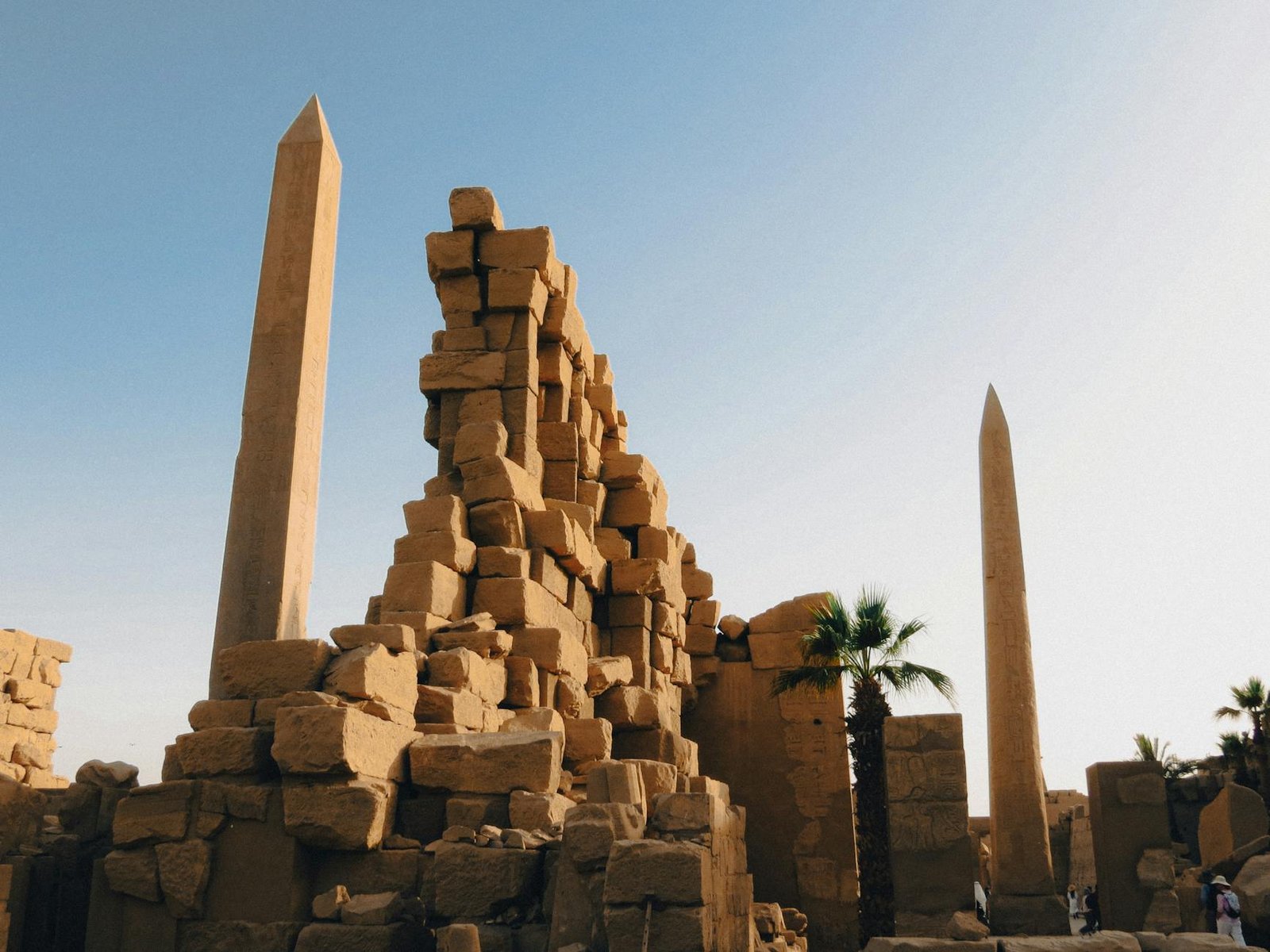
Luxor needs a similar two to three days, split cleanly between banks: the West Bank for the Valley of the Kings, Hatshepsut's temple, and the Colossi of Memnon, usually done in the cooler morning hours, and the East Bank for Karnak — the largest religious complex ever built — and Luxor Temple, which is genuinely worth seeing again at night when it's floodlit and nearly empty. Trying to compress Luxor into a single rushed day is the single most common regret first-time visitors report after the fact.

Let Someone Else Handle the Logistics
Working out flight times, site order, and how many days each city actually needs is the hardest part of planning an Egypt trip on your own. This Egypt Sun Travel itinerary already does that math, with a private guide and vehicle for the whole week.
Getting Between Them: Flight or Overnight Train
The two cities sit roughly 500 miles apart along the Nile, and there are really only two practical ways to cover that distance. EgyptAir runs frequent direct flights between Cairo and Luxor, with the flight itself lasting about an hour — though once you account for airport transfers, check-in, and baggage claim, the door-to-door time is closer to four or five hours. It's the straightforward choice when every day of a one-week trip matters.
The overnight sleeper train is the other option, departing Cairo in the evening and arriving in Luxor the next morning roughly ten hours later. It effectively turns a travel day into a free night of accommodation, which appeals to travelers with slightly more flexibility or a tighter budget, though delays of an hour or two aren't unusual. For a strict seven-day trip, most first-timers find the flight is worth the ticket price simply because it protects a full extra day on the ground.
The Mistake Almost Everyone Makes on Their First Trip
Ask any guide who's worked with first-time visitors what goes wrong most often, and the answer is almost always the same: trying to fit in too much. A week that also tries to squeeze in Aswan, a Red Sea extension, or a day trip to Alexandria usually means cutting Luxor down to a single rushed day, which undercuts the entire point of including it. Egypt rewards slower mornings and fewer stops per day far more than it rewards a longer checklist.
The other recurring mistake is underestimating the heat and the crowds, particularly from late spring through early autumn. Site visits are built around the cooler early morning for a reason, and itineraries that schedule the Pyramids or the Valley of the Kings for midday tend to produce the most exhausted, least enthusiastic travelers. Starting early, resting through the hottest hours, and accepting that two well-paced cities beat three rushed ones is what separates a trip people remember fondly from one they remember as a blur.
A Week That Earns the Rest of Egypt
Cairo and Luxor aren't a reduced version of an Egypt trip — for most first-time travelers, they are the trip, the one that makes sense of everything else Egypt has to offer afterward. Once you've stood at the base of the Great Pyramid and walked into a painted tomb in the Valley of the Kings, the Red Sea coast, Aswan, and the desert oases stop being abstract add-ons and start being places you already understand the context for.
That's really the case for treating a first trip as an introduction rather than a once-only checklist: the travelers who come back to Egypt almost always started with exactly this combination, and came back specifically for everything they deliberately left out the first time.