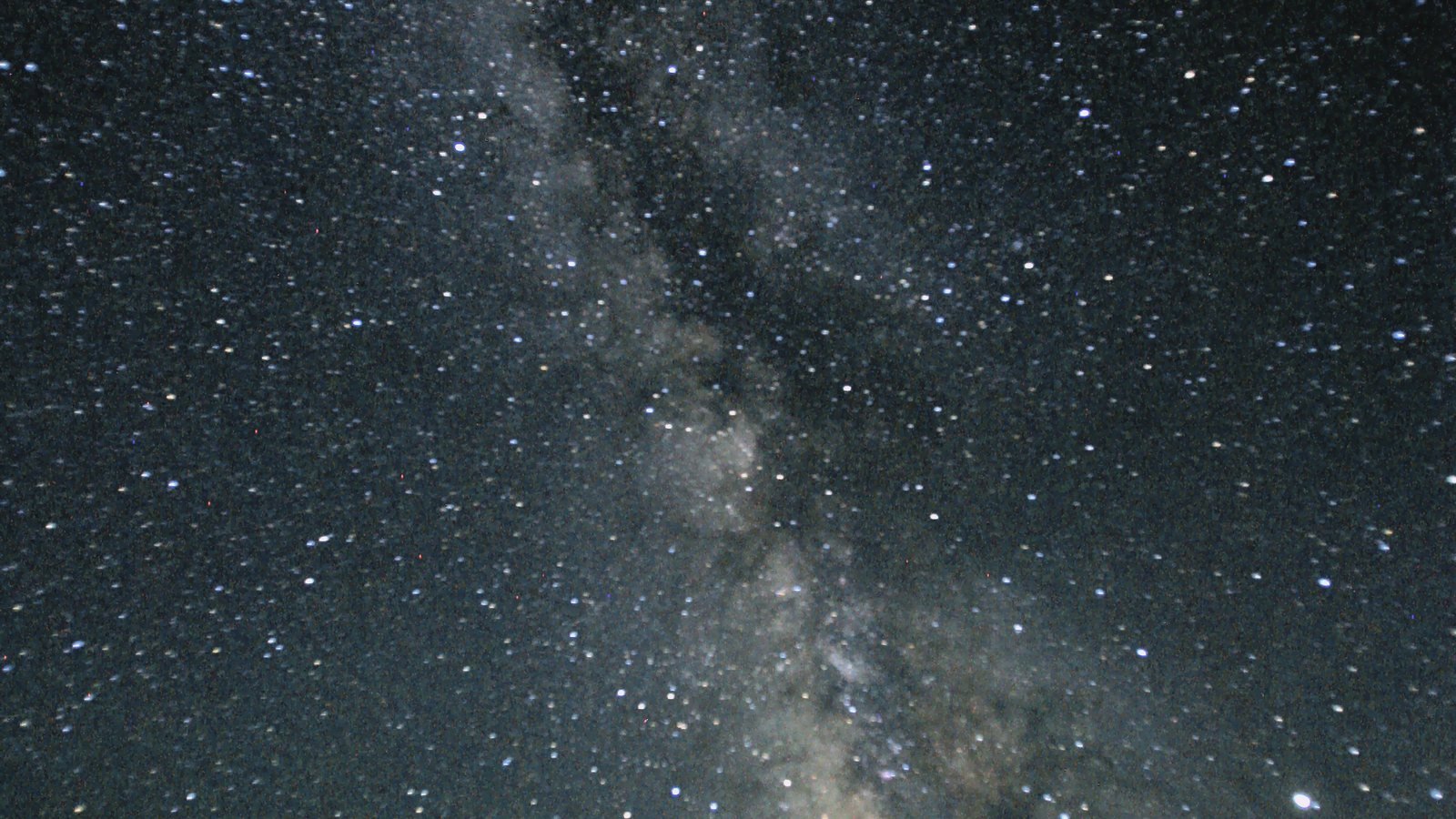
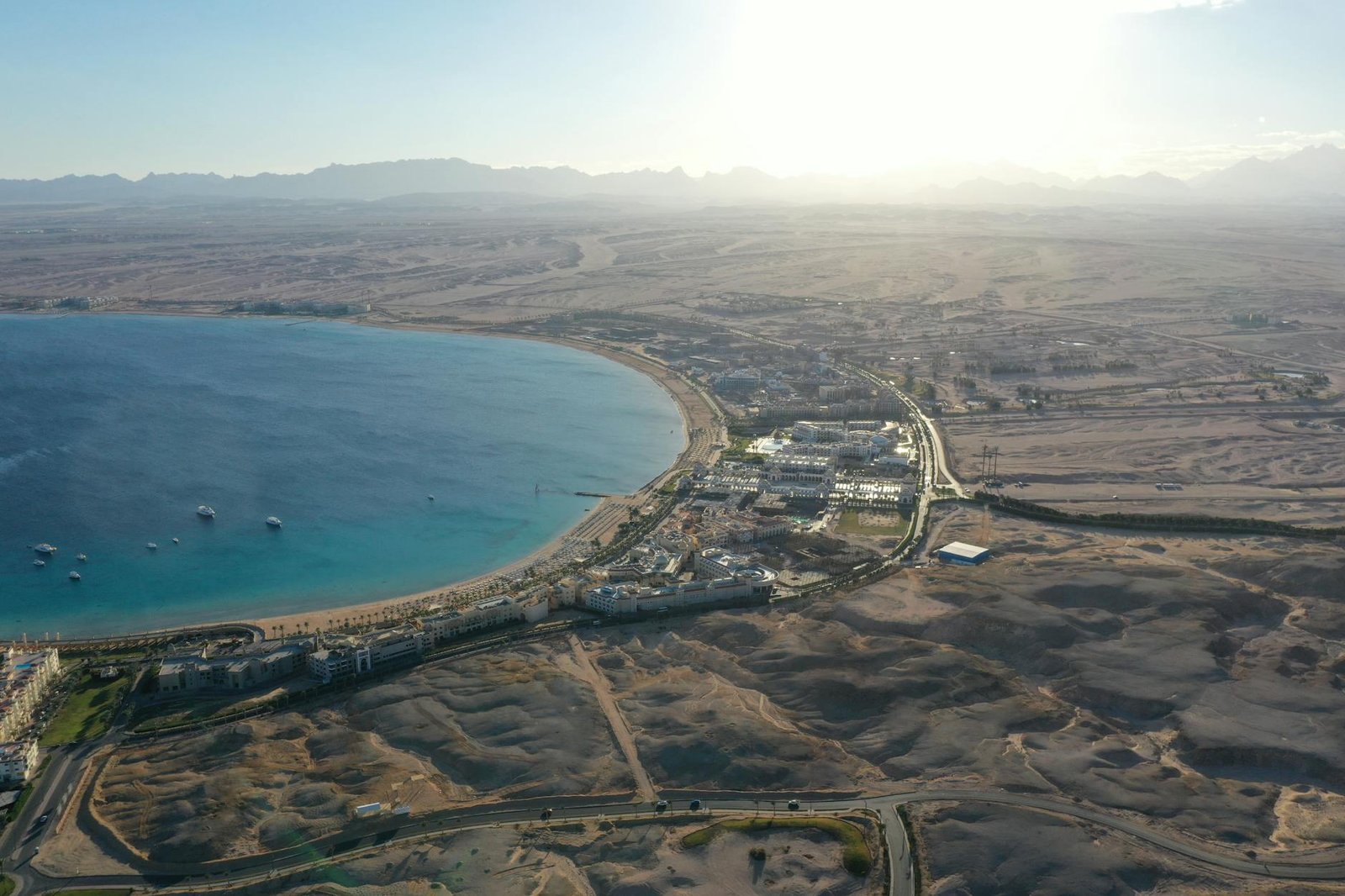
Hurghada is a resort town, and resort towns are built around light — pool lanterns, promenade lamps, the glow spilling off every beachfront hotel. Drive twenty minutes inland, though, and that glow falls away almost completely. The Eastern Desert that stretches between the Red Sea coast and the Nile Valley is one of the driest, least populated, least illuminated landscapes in the country, and on a clear, moonless night it produces a sky that most visitors have simply never seen before: thousands of stars at once, the Milky Way rendered as an actual visible band rather than a photography term, and a horizon so uninterrupted that the sky looks taller than it does at home.
It is also, less obviously, excellent horse country. The flat hard-packed sand along the shoreline and the open desert just behind it have been used for riding for generations, first by Bedouin communities who still work this land, and now by stables that take visitors out at the two times of day the desert rewards most: early morning and the hour around sunset. Paired together, a sunset ride and a night under the stars make the same stretch of desert feel like two entirely different places.
Why This Particular Desert Works So Well for Stargazing
Dark-sky quality comes down to two things: how much artificial light is nearby, and how clear and dry the air is. The Eastern Desert scores well on both. Away from the Hurghada–Sahl Hasheesh–El Gouna strip, there are no other substantial settlements for a long way in any direction, so the ambient light pollution that washes out stars over most cities and even most countryside simply isn't there. Combine that with a climate that sees close to zero rainfall and very low humidity most of the year, and you get atmospheric conditions astronomers specifically look for: little moisture and no haze to scatter or block starlight before it reaches the ground.
The practical result is a sky where the naked eye can pick out far more than the handful of brightest stars visible from a city balcony. On a good night, the band of the Milky Way's galactic core is visible without any equipment, constellations resolve with noticeably more depth, and even some fainter deep-sky objects become apparent once your eyes have adjusted — which takes a genuine twenty to thirty minutes of darkness, longer than most visitors expect to wait but worth it.
Timing It Right: Season and the Moon
Two variables matter more than any other for a stargazing trip here. The first is season: the galactic core of the Milky Way — the brightest, most photogenic part of it — sits below the horizon for part of the year and climbs higher as the months go on, so visibility is strongest from roughly late spring through early autumn, April to October, when it arcs well above the horizon for a good portion of the night. The second is the moon. A full or near-full moon washes out faint stars almost as effectively as city light does, so the best viewing consistently falls around the new moon or when the moon is a thin crescent, and ideally after it has already set for the night.
Temperature works in the opposite direction of star visibility: the clearest, driest air of midsummer also means genuinely hot days, so many visitors find the shoulder months — April, May, September, October — the best compromise between comfortable desert conditions and strong sky visibility. Whatever the month, desert nights cool quickly once the sun is down, so a layer warmer than the daytime heat suggests is worth bringing along.
See the Desert Sky and Shoreline for Yourself
A description can tell you the Milky Way is visible here. It can't replicate the moment the desert goes fully dark, or the particular quiet of a horse walking along the waterline at sunset. These Egypt Sun Travel experiences put you in the desert for both.
The Ride: Why Sunset and Desert Horses Go Together
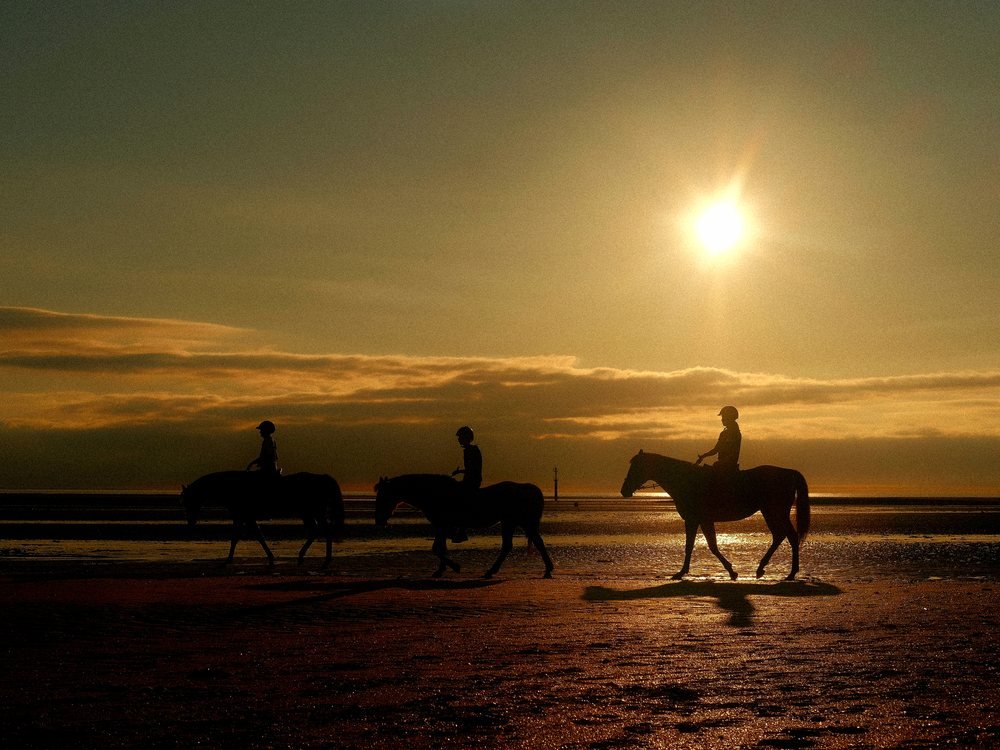
The horses used for these rides are typically Arabians or Arabian crosses, a breed whose endurance and even temperament were shaped by exactly this kind of terrain over many centuries, and local stables generally match riders to a horse's pace rather than assuming experience. A ride usually follows the shoreline first, where the sand is firm and flat and the rhythm of hooves settles into something close to walking pace, then turns inland as the route climbs slightly into the open desert behind the coast.
Sunset is the preferred hour for a reason beyond the obvious photographs: the light goes gold and then deep orange across the water, the heat of the day has mostly broken, and the desert's color shifts from a flat tan to something closer to copper. Riders who stay out past the ride itself, or who book combined trips, get to watch that same stretch of sand make a second transition a couple of hours later, once the last color drains from the sky and the stars begin to take over.
What a Night in the Desert Actually Involves
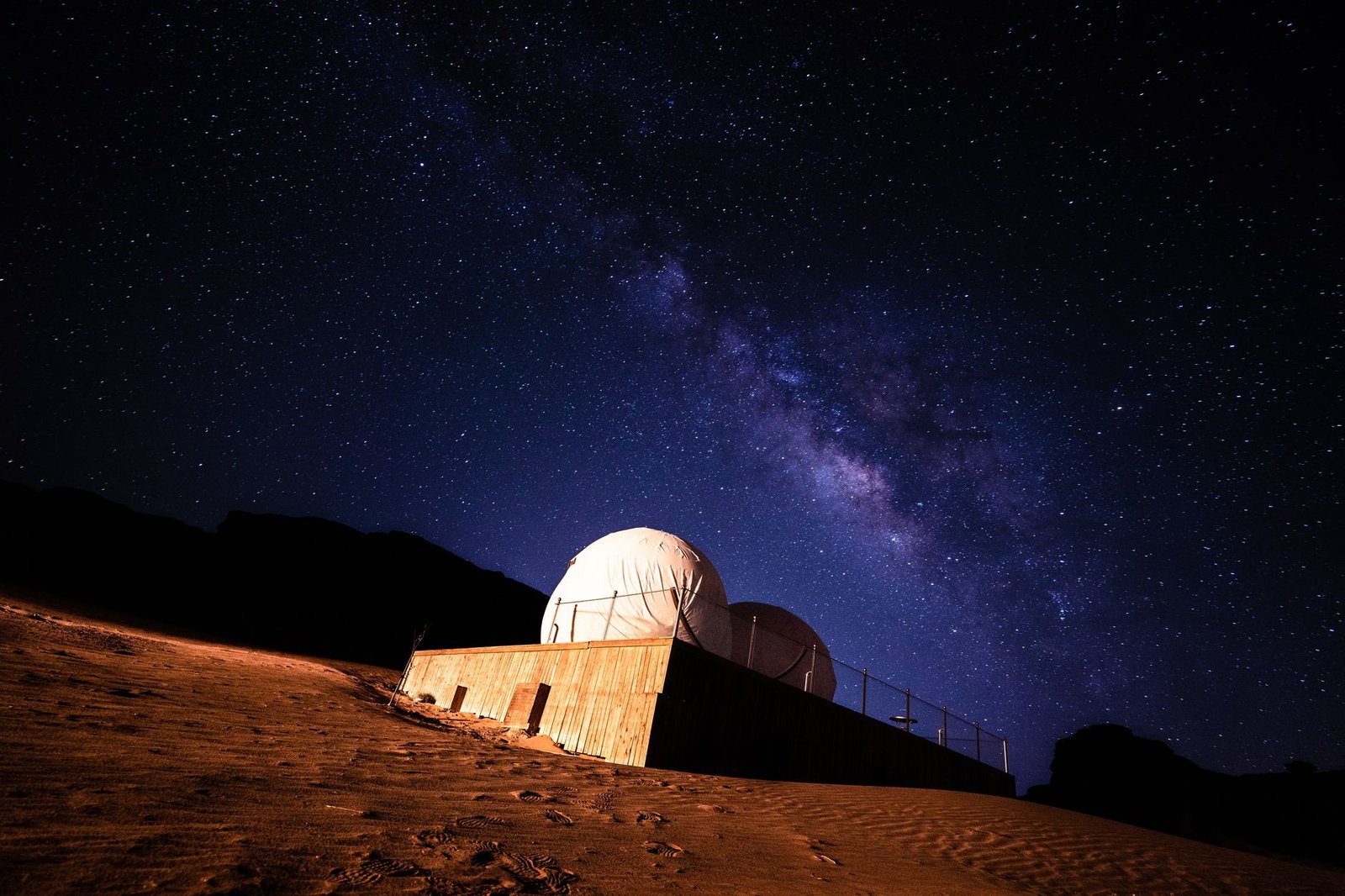
Most stargazing trips from Hurghada follow a similar shape: a drive out past the edge of town, often combined with dinner or tea prepared over an open fire, followed by time spent away from any vehicle headlights once full darkness sets in. Guides who do this regularly can usually point out the major constellations and seasonal highlights, and the better operators bring at least basic equipment — binoculars or a small telescope — though the naked-eye view here is often the more striking experience, precisely because it requires nothing extra to appreciate.
What surprises most first-time visitors isn't a single spectacular detail so much as the cumulative density of it: the number of stars that are simply present, filling gaps that at home would just be black sky. It is worth bringing a flashlight with a red-light setting if you have one, since white light takes your night vision minutes to recover, and dressing warmer than Hurghada's daytime heat would ever suggest — desert temperatures can drop considerably within an hour of sunset.
Two Sides of the Same Landscape
It says something about Egypt that a single stretch of desert outside a beach resort town can hold both of these experiences without contradiction — a horse ride that connects directly to a centuries-old Bedouin tradition of desert travel, and a night sky that owes its clarity to the same emptiness and dryness that make the land otherwise so hard to inhabit. Neither one needs the pyramids or the Nile temples to justify the trip; they are simply what this particular corner of the country does well, on their own terms.
For travelers building out a longer Egypt itinerary around Luxor's temples or Cairo's antiquities, a night or two on the Red Sea coast built around the desert rather than the water is an easy, worthwhile detour — a reminder that some of Egypt's most striking experiences have nothing to do with ancient monuments at all.