Open ten different "Egypt itinerary" posts and nine of them will hand you the same shape: three nights in Cairo, a flight or overnight train south, a rushed day in Luxor, and then Aswan or the Red Sea tacked on at the end. It is a reasonable way to see the greatest hits of a country in a single trip, and for a first visit with limited time, it often makes sense. But it is built around a question nobody asked out loud: how do we see the most places, rather than how do we actually see this place.
There is a different, less-discussed way to plan an Egypt trip, and it starts by picking one city and refusing to leave it for four full days. Not because the other cities aren't worth visiting, but because Luxor and Cairo are each, on their own, deep enough to absorb that much time without ever feeling padded. A 4 days in Luxor itinerary built around both riverbanks, or a Cairo itinerary that goes past the pyramids into the old city and the museum, ends up covering more real ground than a rushed week spread across three locations — it just covers it in one place.
What a Real 4-Day Luxor Itinerary Actually Fits In
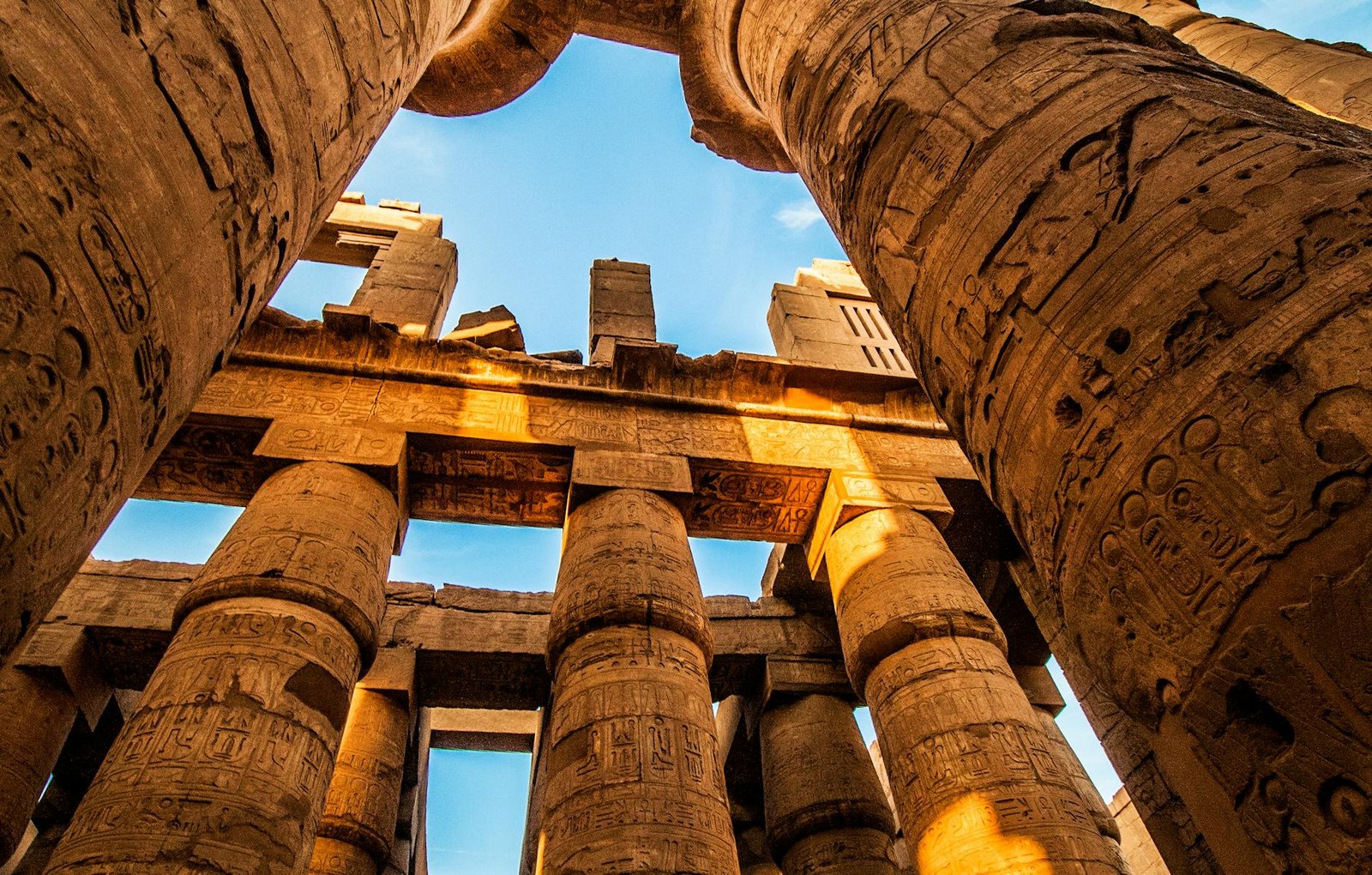
Most Luxor day-tours pick one bank and call it done — usually the West Bank, because that is where the famous names are. Four days means you stop choosing. The East Bank alone deserves a full day: Karnak Temple is not one temple but a complex built up over roughly two thousand years by more than thirty pharaohs, and its Great Hypostyle Hall, 134 towering columns packed into a single room, is the kind of space that photographs simply cannot compress into something legible. Luxor Temple, a short walk along the Nile corniche, is best seen a second time after dark, when the lighting changes it into an entirely different building than the one you walked through at noon.
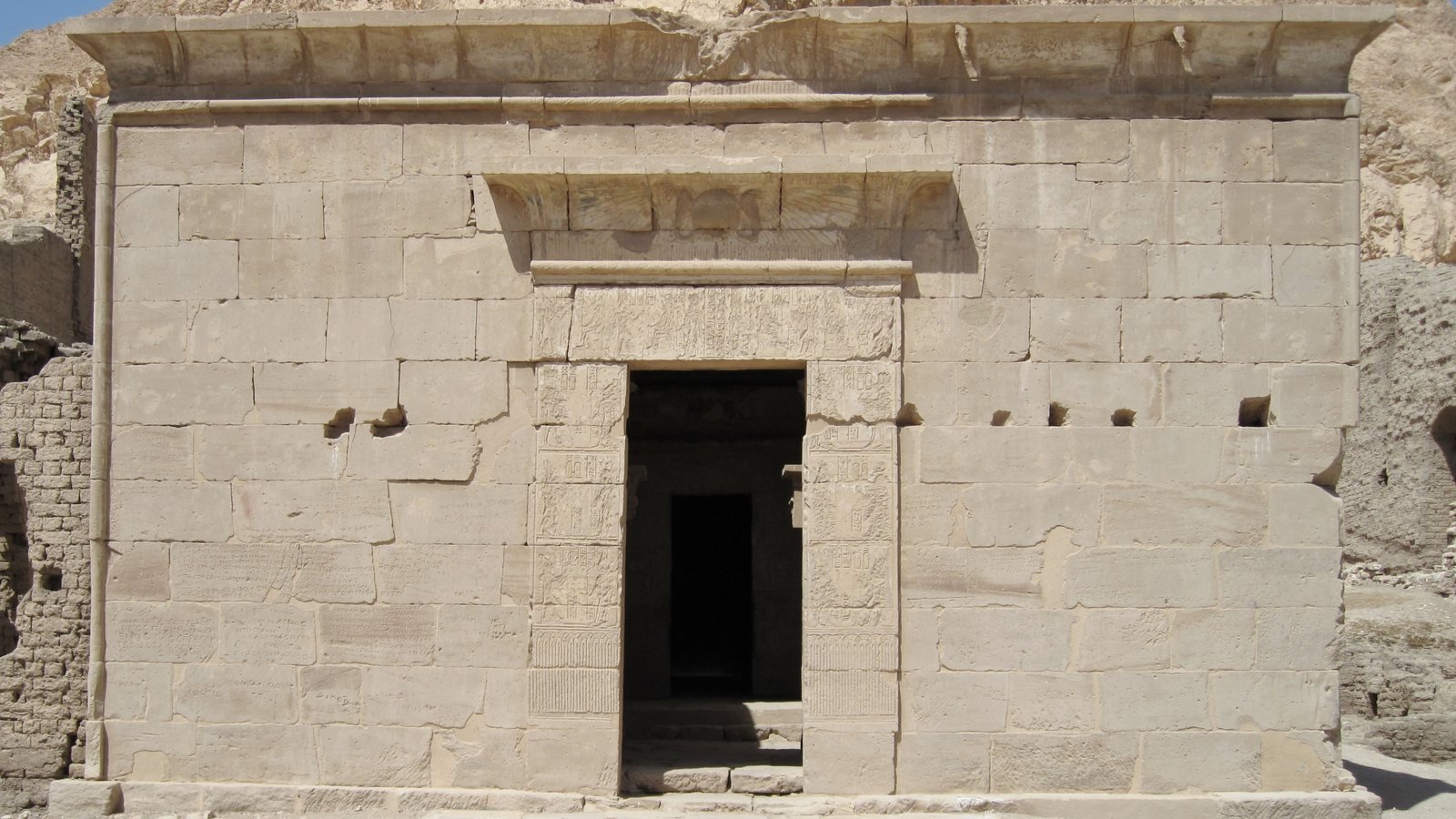
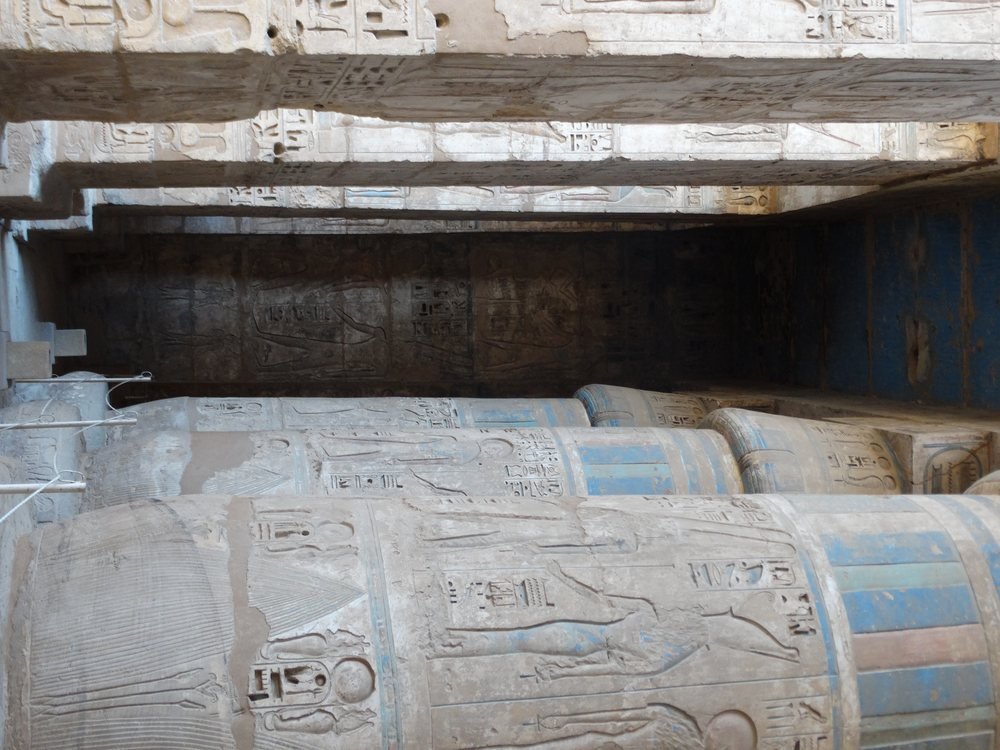
The West Bank is where the extra days earn their keep. Valley of the Kings holds 63 known tombs and most rushed itineraries show visitors three of them in under two hours. A fuller visit allows time for Valley of the Queens next door, home to the tomb of Nefertari, widely considered the most beautifully decorated tomb in Egypt — and one often skipped entirely on one-day tours because of time, not because it matters less. Add Medinet Habu, the mortuary temple of Ramesses III, whose battle reliefs and color are often better preserved than Karnak's precisely because fewer visitors pass through it, and Deir el-Medina, the excavated village where the tomb-builders themselves actually lived, and a 4 days in Luxor itinerary stops feeling like a highlight reel and starts feeling like an actual understanding of how the West Bank fit together.
The Things to Do in Luxor That Rushed Tours Quietly Drop
Ask what gets cut first when a Luxor stop shrinks to a single day, and the answer is almost always the same three names: Medinet Habu, Deir el-Medina, and the Valley of the Queens. None of them are obscure — they are simply the first things sacrificed when a schedule runs long, because Karnak and the Valley of the Kings are the names people already recognize before they arrive. The irony is that Medinet Habu is frequently described by Egyptologists as one of the best-preserved temples in all of Egypt, with its original paint still visible in places on the inner walls, precisely because it has never carried Karnak's crowd load.
A paced Luxor itinerary also leaves room for the quieter, human-scale sites that rarely make a highlight list at all: the Tombs of the Nobles, where the artwork is domestic rather than divine — officials shown farming, fishing, and feasting rather than kneeling before gods — and a slow morning on a felucca along the Nile, watching the two riverbanks it took you four days to properly see from the water that has always separated them.
Go Deep Instead of Fast
If one city has your attention more than a checklist of them, these two private 4-day programmes are built around exactly that — a licensed Egyptologist, a paced schedule, and enough time to actually arrive at each site rather than just pass through it.
Cairo Itinerary 4 Days: What Exists Beyond the Pyramids
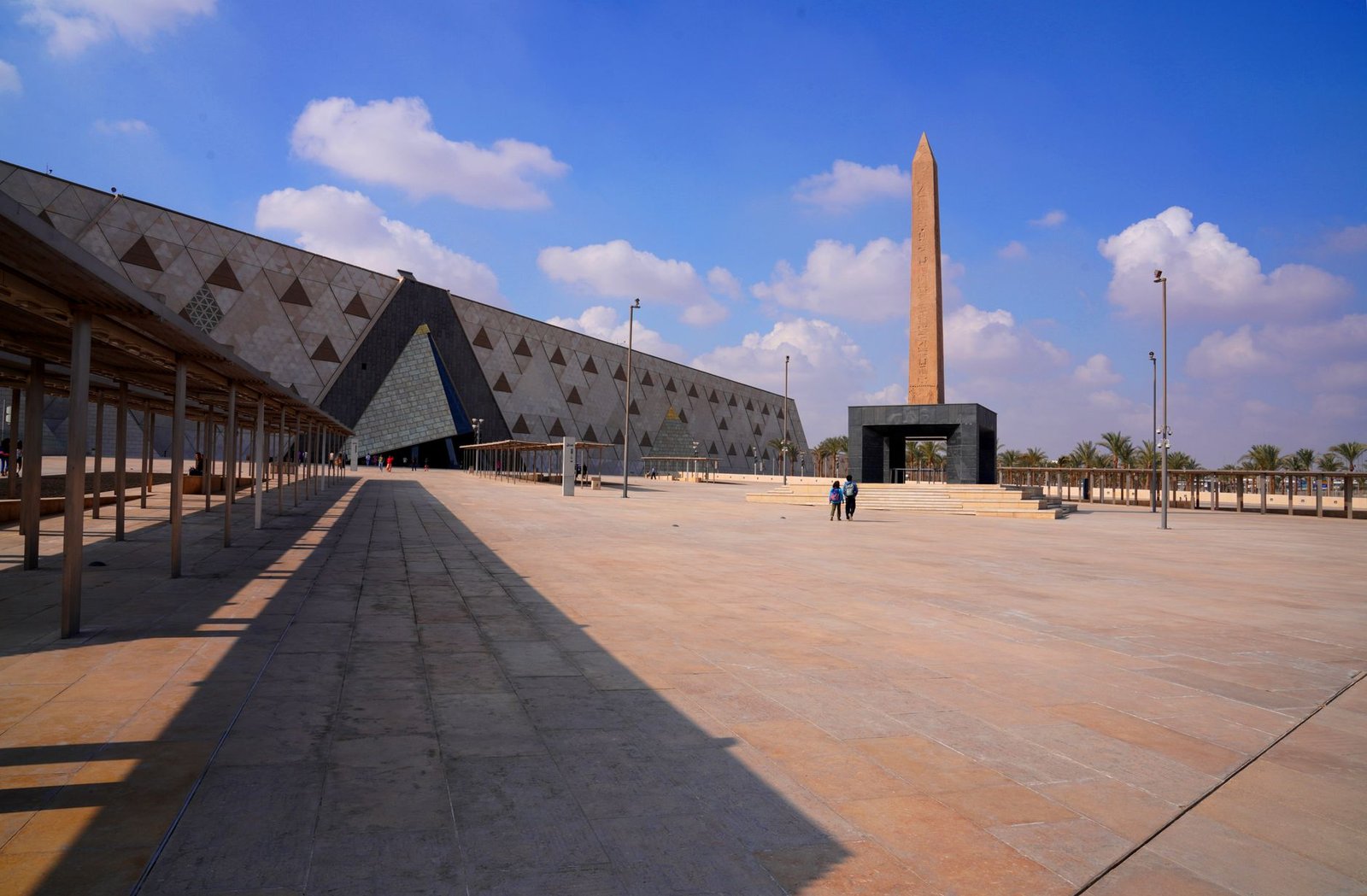
The Pyramids of Giza and the Sphinx are, fairly, the reason most people book a Cairo stop at all, and they deserve the better part of a day on their own. But treating Giza as the entirety of a Cairo itinerary leaves out most of what the city actually is. The Egyptian Museum in Tahrir Square, and its newer counterpart the Grand Egyptian Museum near Giza, hold more Pharaonic artifacts than most visitors can process in a single afternoon, Tutankhamun's treasures chief among them — a museum visit done properly is comfortably a full day on its own, not an add-on squeezed in before a flight.
A day given over to Saqqara and Memphis adds the part of the pyramid story that Giza alone leaves out: the Step Pyramid of Djoser, the world's oldest large stone structure and the direct architectural ancestor of everything built at Giza a century later, plus Memphis itself, Egypt's ancient capital for over eight centuries, now a quiet open-air site anchored by a colossal fallen statue of Ramesses II. Seen together with Giza rather than instead of it, the pyramid-building story goes from a single famous image to something that actually makes architectural sense.
Islamic Cairo and Coptic Cairo: The City Most Visitors Never See
Ask a first-time visitor what they saw in Cairo and the answer is almost never Islamic Cairo, despite it being one of the largest and oldest intact historic city cores in the world — a district of medieval mosques, madrasas, and covered markets dense enough that UNESCO lists it as a World Heritage Site in its own right. A fourth day gives time to walk it properly: the Citadel of Saladin for its view back over the whole city, the Sultan Hassan Mosque for the scale of its courtyard, and Khan el-Khalili, the centuries-old bazaar, for the parts of Cairo that are still simply going about their day rather than existing for visitors.
Coptic Cairo, a short taxi ride away, is a different city again — the walled Christian quarter built partly on Roman fortifications, home to the Hanging Church suspended over a Roman gatehouse and the Ben Ezra Synagogue, one of the oldest in the world. Together, Islamic and Coptic Cairo round out a picture that a pyramids-only visit never gets to: a city that has been continuously layered with history for two thousand years, not a backdrop for one monument.
Depth Over Breadth, and Why It Changes What You Remember
None of this is an argument against the classic multi-city Egypt trip — for a first visit, seeing Cairo, Luxor, Aswan, and the Red Sea in sequence is still a genuinely good way to get a feel for the country's range. But for a second visit, for travelers who already know which region pulled at them hardest, or simply for anyone who would rather understand one place well than glimpse five, staying put is its own kind of itinerary — one built on depth rather than ground covered.
What tends to stay with people after a trip like this isn't a longer list of places checked off, but a handful of mornings that had room to breathe — an unhurried hour at Medinet Habu with almost nobody else there, or a slow walk through Islamic Cairo with nowhere else to be that afternoon. Egypt rewards that kind of attention more than almost anywhere else, precisely because there is always another layer underneath the one you just finished looking at.