Almost every visitor to the British Museum eventually stands in front of a chipped, grey-pink slab of granodiorite, roughly the size of a tabletop, covered in three blocks of dense script. Almost none of them could point to where it was found. The Rosetta Stone takes its name from a town most travelers to Egypt never visit, a quiet Nile Delta port the Egyptians call Rashid, which the French soldiers who stumbled onto the stone in 1799 knew by its older European name: Rosetta.
It is one of history's better accidents. A single fragment of broken rock, dug up by soldiers reinforcing a fort wall, ended up doing more to unlock ancient Egyptian civilization than any expedition that came before or after it — and the unassuming town where it happened has spent the two centuries since almost entirely out of the spotlight.
An Accident, a Fort Wall, and an Officer Who Noticed
Napoleon Bonaparte invaded Egypt in 1798, bringing along a traveling academy of scholars and scientists alongside his army, with ambitions that reached well beyond military conquest. In July 1799, soldiers under French officer Pierre-François Bouchard were reinforcing the defenses of a fort near Rashid when they dug up a broken stone slab built into an older wall. Bouchard recognized immediately that the inscriptions covering it were unusual, and had it set aside rather than used as building rubble.
What made the stone extraordinary became clear soon after: the same decree, issued in 196 BC during the reign of Ptolemy V, had been carved in three scripts — hieroglyphic, Demotic, and ancient Greek. Because scholars could already read Greek, the stone offered something Egyptology had never had before: a way in. It would still take the French scholar Jean-François Champollion more than two decades of painstaking comparative work to fully crack the hieroglyphic script, but the Rosetta Stone was the door he worked through.
The Fort Where It Happened, Still Standing in Rashid
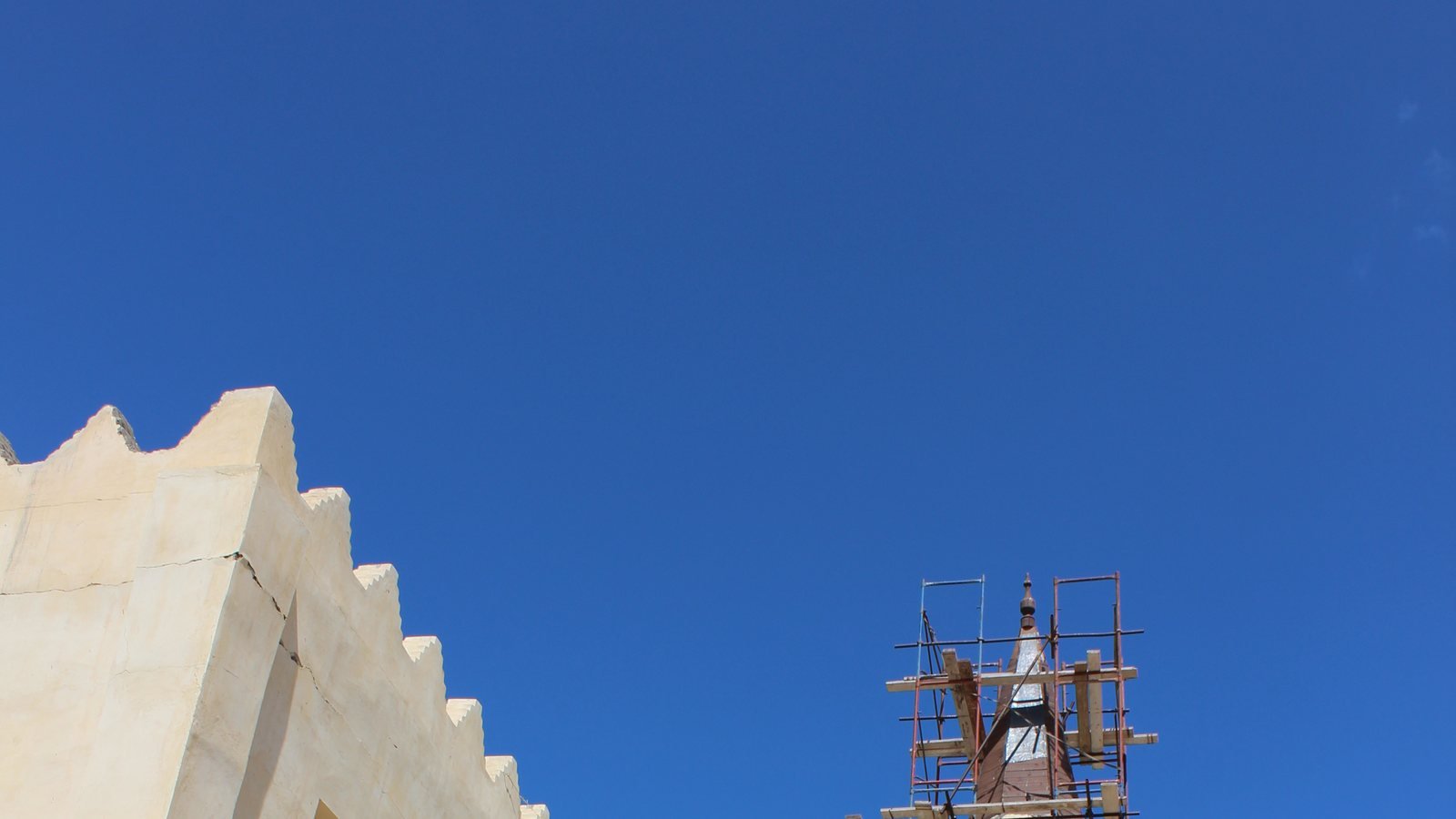
The fort itself, known to the French as Fort Julien and locally as the Qaitbay Citadel of Rashid, still stands on the western bank of the Nile's Rosetta branch, a squat, weathered structure of pale stone that has been under slow, ongoing restoration in recent years. It is a working monument rather than a museum piece — no reconstruction of the stone sits on display here, and the original has not left London since it arrived in 1802, following Britain's defeat of the French in Egypt and the terms of their surrender.
Standing at the spot itself carries a different weight than reading about it. This is not a recreated scene built for tourists; it is the actual masonry a group of soldiers happened to be repairing on an otherwise unremarkable day in July, when one of them hit stone that did not belong.
Visit the Town Itself
The stone left for London two centuries ago, but the fort where it was found, and the merchant houses built in the same era, are still standing in Rashid. This Egypt Sun Travel day trip gets you there.
A Town Worth Seeing for Reasons That Have Nothing to Do with the Stone
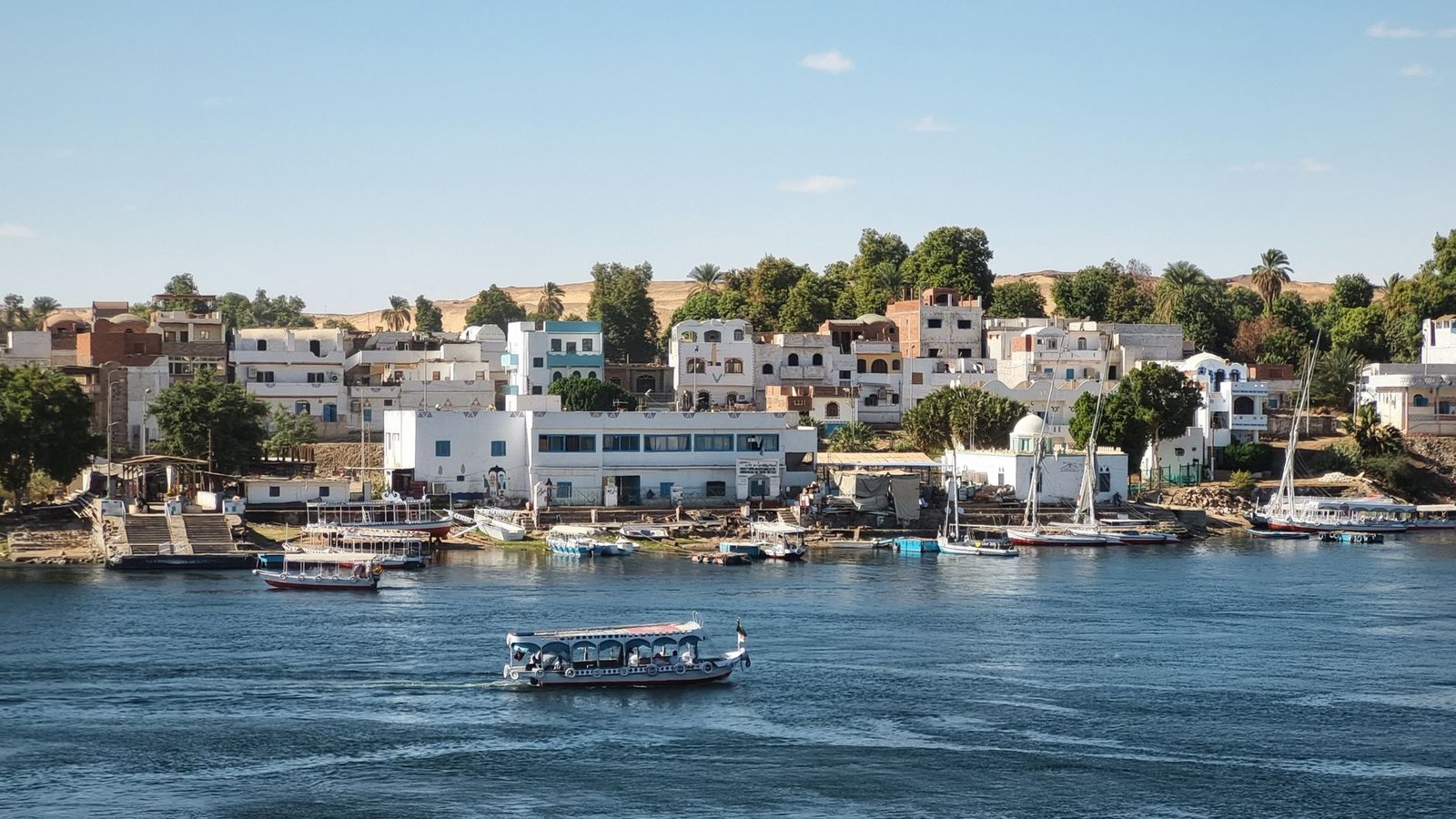
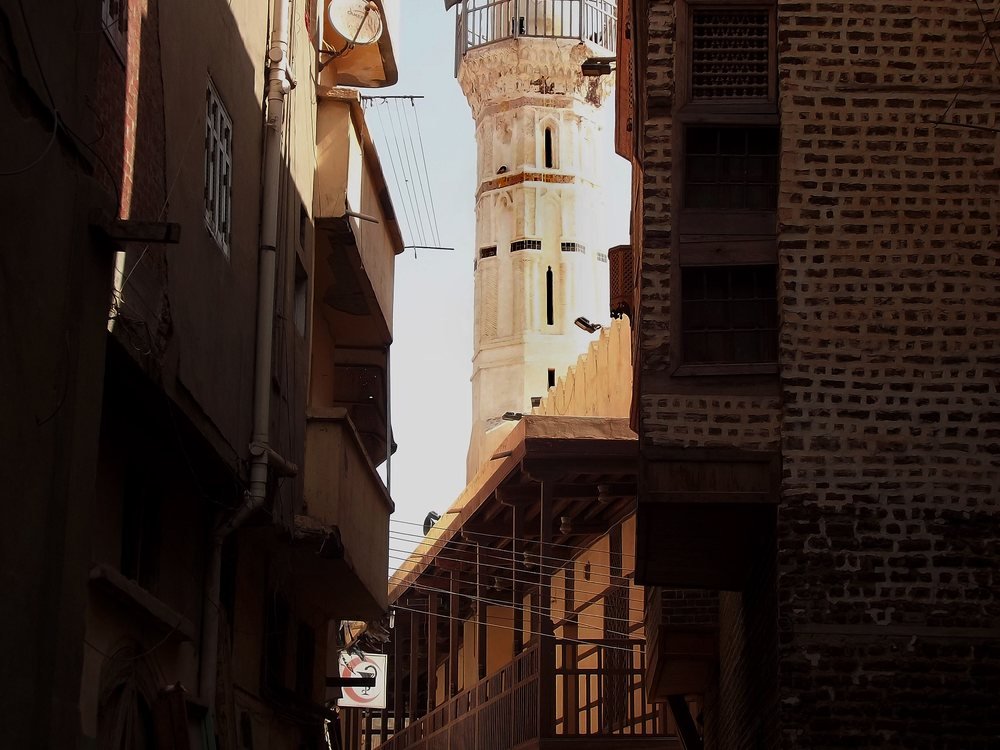
Rashid's other claim to fame predates the stone by centuries. Through the Ottoman period, the town grew wealthy as one of Egypt's principal Mediterranean trading ports, and that prosperity is still visible in its architecture: dozens of merchant houses built from alternating bands of red brick and black stone, with elaborately carved wooden mashrabiya screens projecting over narrow streets, a building style distinctive enough to Rashid that it rarely appears anywhere else in Egypt in this concentration.
Walking those streets today means passing beneath minarets and residential facades that have barely changed in appearance since well before Bouchard's soldiers arrived, in a town that still functions as a genuine, lived-in community rather than a preserved-for-visitors district.
Why So Few Travelers Ever Make the Trip
Part of the reason Rashid stays off most itineraries is simple geography: it sits roughly 65 kilometers east of Alexandria, in the opposite direction from Cairo and the classic Nile Valley route south, which makes it an add-on rather than a stop on the way to somewhere else. Part of it is also expectation — travelers searching for "the Rosetta Stone" quickly discover it left Egypt in 1802 and assume, reasonably but incorrectly, that there is nothing left to see where it was found.
What that assumption misses is everything else the town offers: the fort itself, the Ottoman merchant district, and a version of the Nile Delta that most Egypt itineraries, built around Cairo, Luxor, and the Red Sea, never touch at all.
The Discovery That Outgrew Its Own Town
There is a particular kind of irony in a single broken slab of rock becoming more famous than the place where it was found, carried off to a city its finders had never seen, while the town itself quietly returned to the business of being a Delta port. Rashid's name is now permanently attached to the key that unlocked ancient Egyptian writing, even as the town itself remains one of the country's least-visited corners — a discovery that changed how the world reads hieroglyphs, sitting in a place the world mostly forgot to visit.