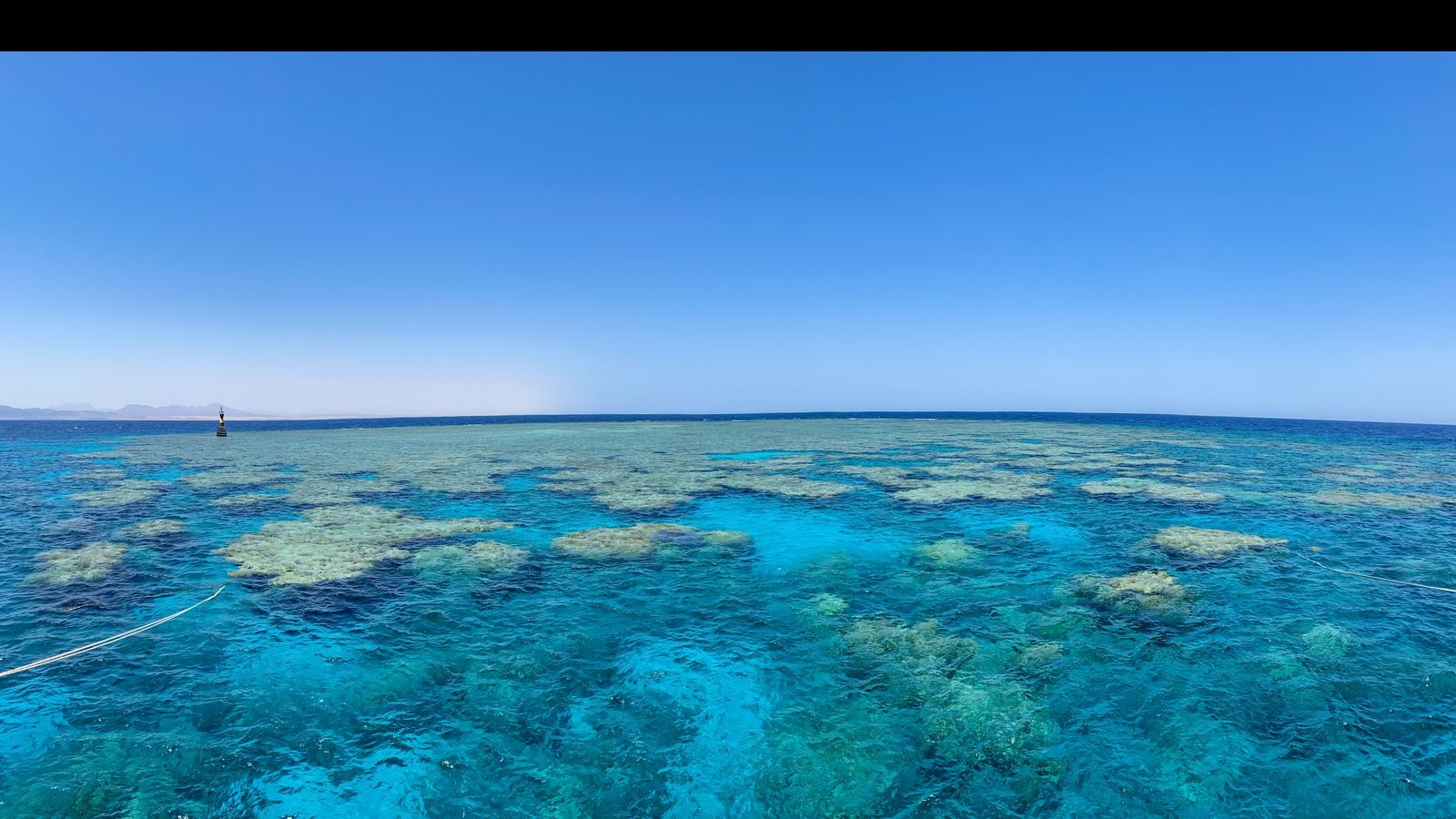
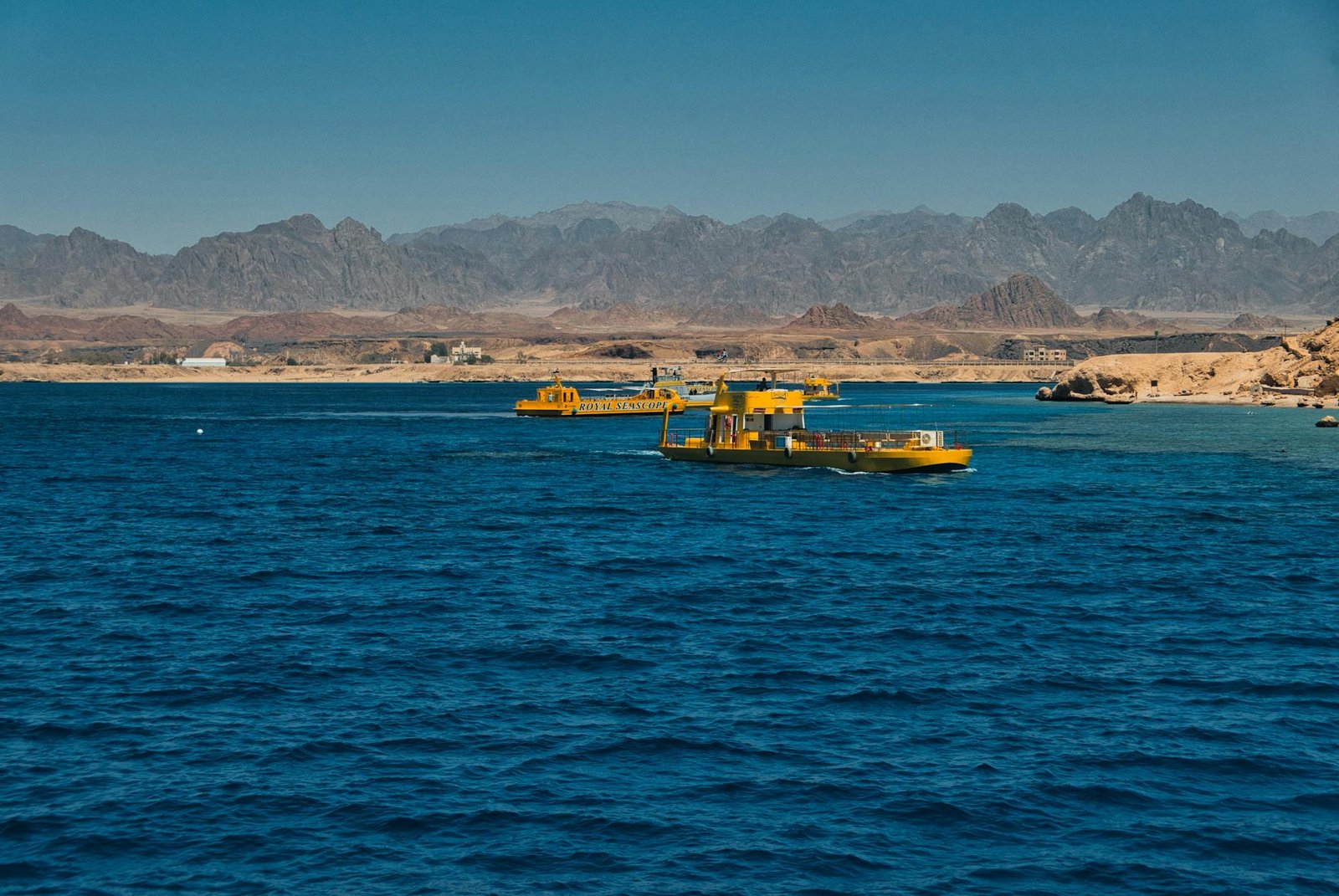
Mention Egypt to most travelers and their minds go straight to the Pyramids of Giza, the temples of Luxor, or a felucca drifting down the Nile at sunset. Few picture themselves face-to-face with a hawksbill turtle, suspended in water so clear it feels like flying. Yet for marine biologists and diving magazines alike, Egypt's Red Sea coastline — stretching from Hurghada down through Marsa Alam to the tip of the Sinai Peninsula — is routinely ranked among the finest snorkeling and diving destinations on the planet, in the same breath as Australia's Great Barrier Reef or Indonesia's Raja Ampat.
It's a strange kind of fame: world-renowned among divers, yet still a surprise to many first-time visitors who come for the history and discover the reef almost by accident.
A Coral Kingdom Unlike Any Other
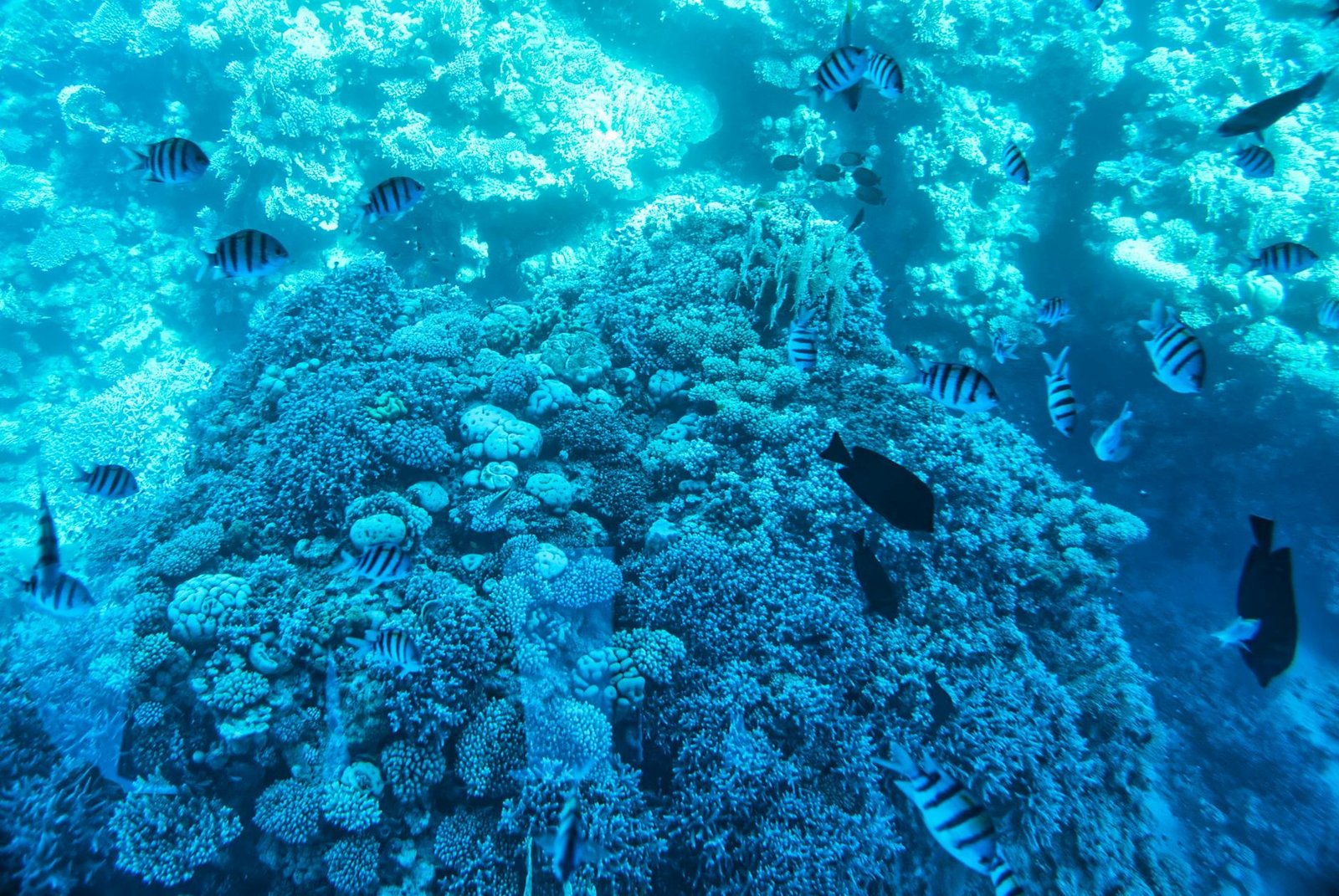
What makes the Red Sea exceptional isn't just the coral — it's the conditions around it. The sea is unusually warm and salty, with minimal rainfall or river run-off to cloud the water with sediment. The result is visibility that regularly exceeds 20 meters, letting sunlight reach deep enough for coral to thrive at depths most other seas can't match.
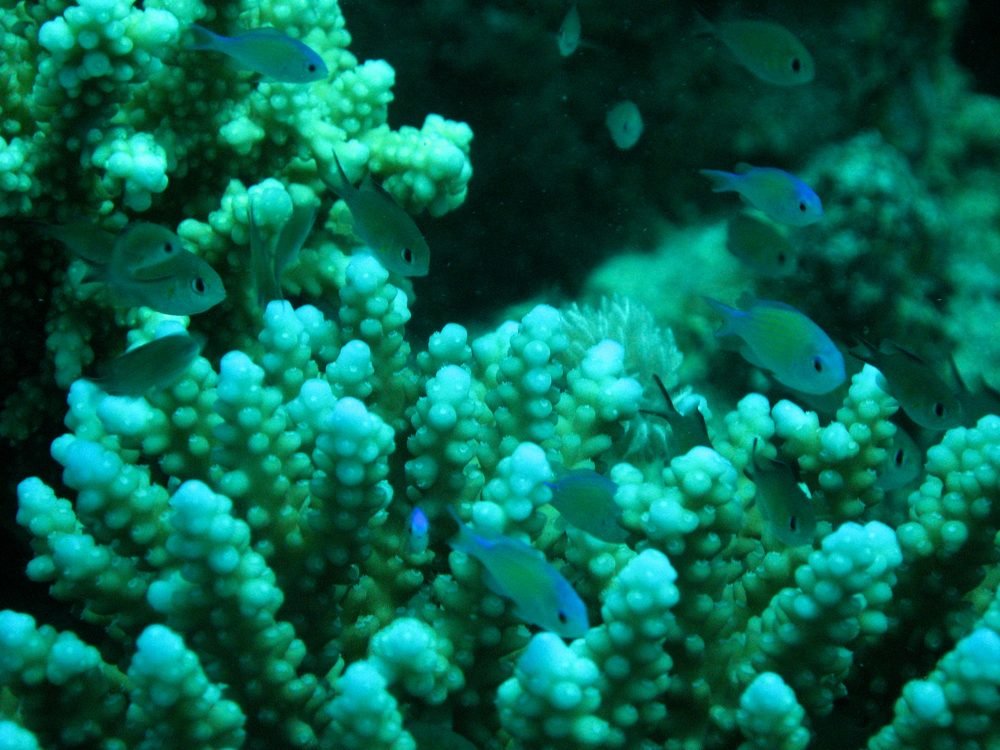
That clarity, combined with over 1,200 species of fish and more than 200 species of coral — a notable number of them found nowhere else on Earth — has turned a relatively narrow strip of sea into one of the richest marine ecosystems in the world. And crucially for travelers, much of it sits just meters from the shore or a short boat ride away, not hours offshore in open water.
What You'll Actually See Beneath the Surface
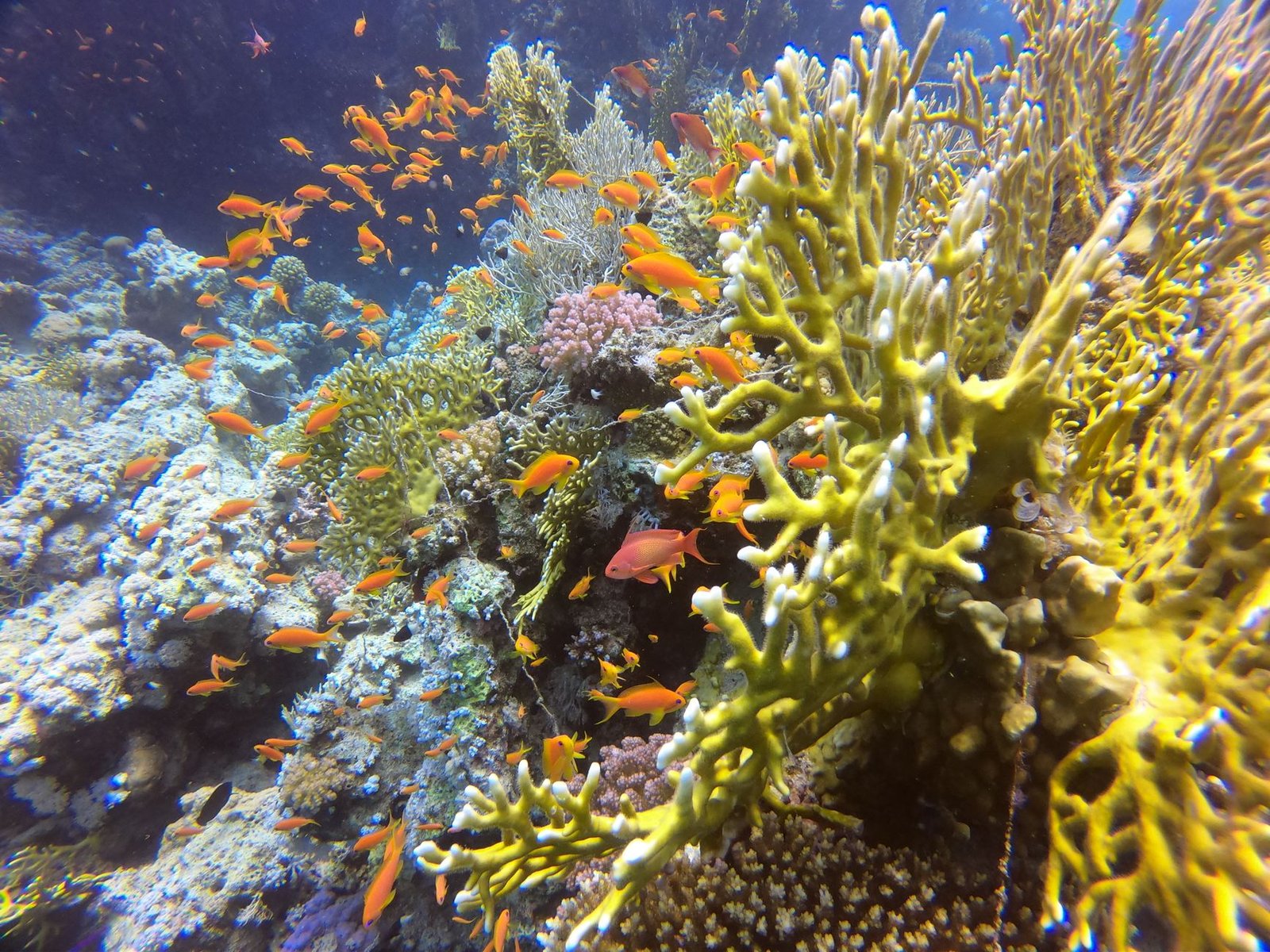
This isn't a reef you need professional diving skills to appreciate. With little more than a mask, a snorkel and a few meters of water, the scenery changes completely. Clouds of anthias in electric orange drift over coral gardens in shades of violet and gold. Clownfish dart between the swaying arms of anemones. Parrotfish graze audibly on coral, their beak-like mouths grinding away at the reef.
Look further out and the cast grows more dramatic: hawksbill and green turtles gliding past unhurried, spotted eagle rays skimming the sandy bottom, and — on a lucky day — a pod of spinner dolphins passing just offshore. None of this requires a certification card or a tank on your back. It only requires getting in the water.
Experience It for Yourself
Reading about a coral reef is one thing — floating above one is another. These Egypt Sun Travel excursions put you in the water with everything arranged, so the only decision left is which one to pick.
Who Is Red Sea Snorkeling Actually For?
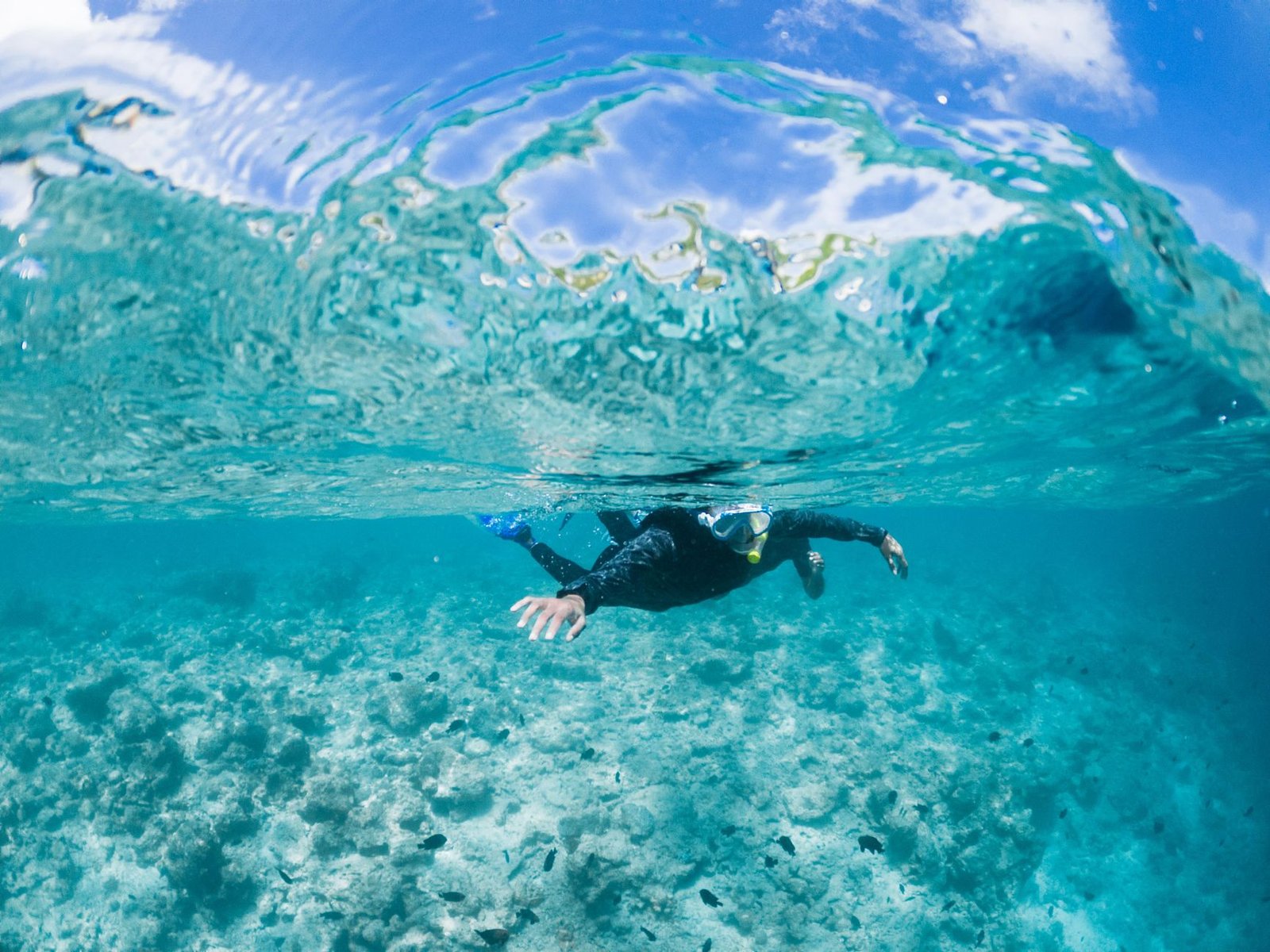
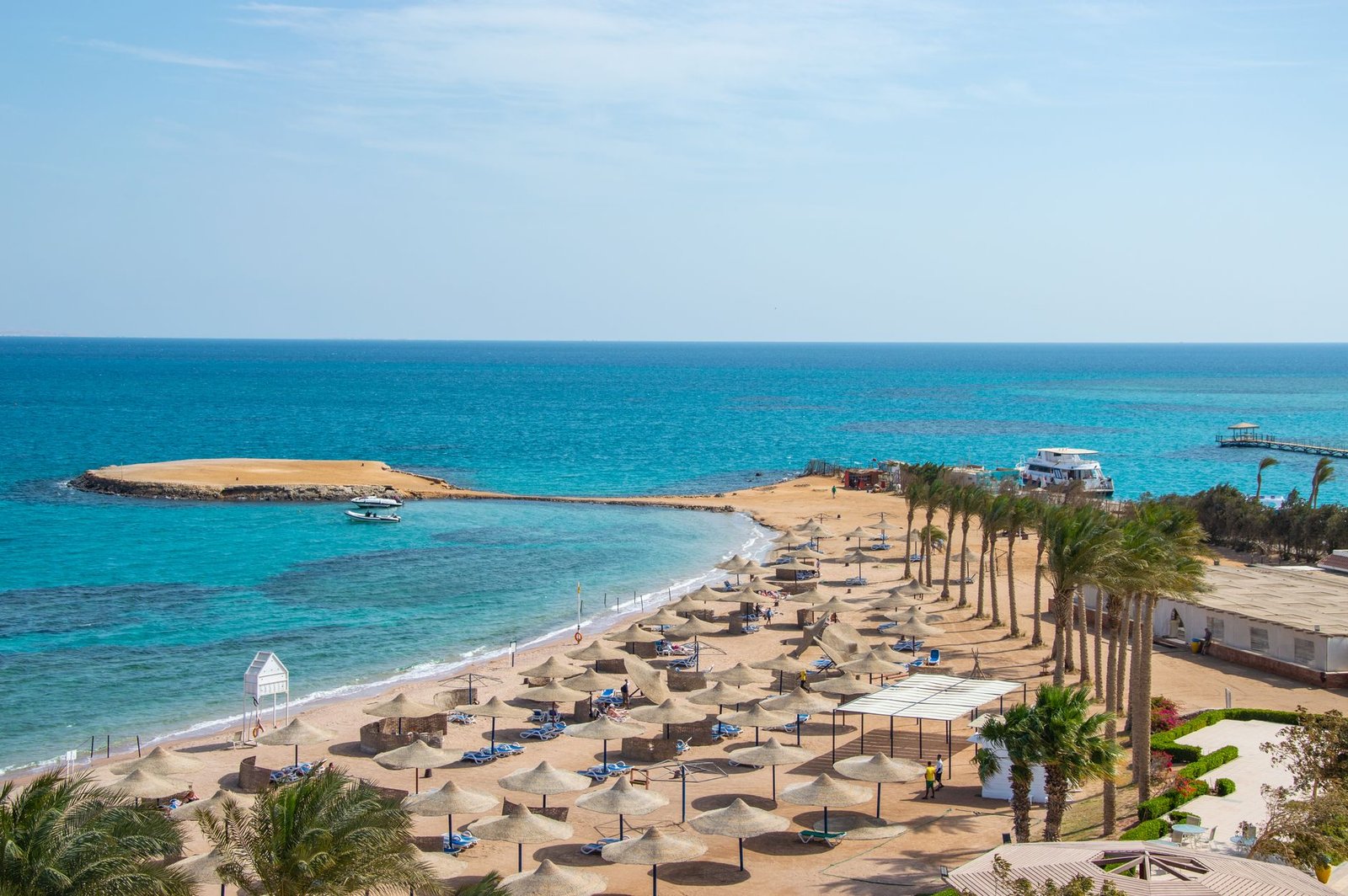
This is, perhaps, the most misunderstood part. People often assume reef snorkeling is a niche activity for experienced swimmers or committed divers. In the Red Sea, it's closer to the opposite. Many of the best snorkeling spots sit in shallow, sheltered bays with calm water and barely any current, making them genuinely suitable for beginners, nervous swimmers, and families with children old enough to wear a mask.
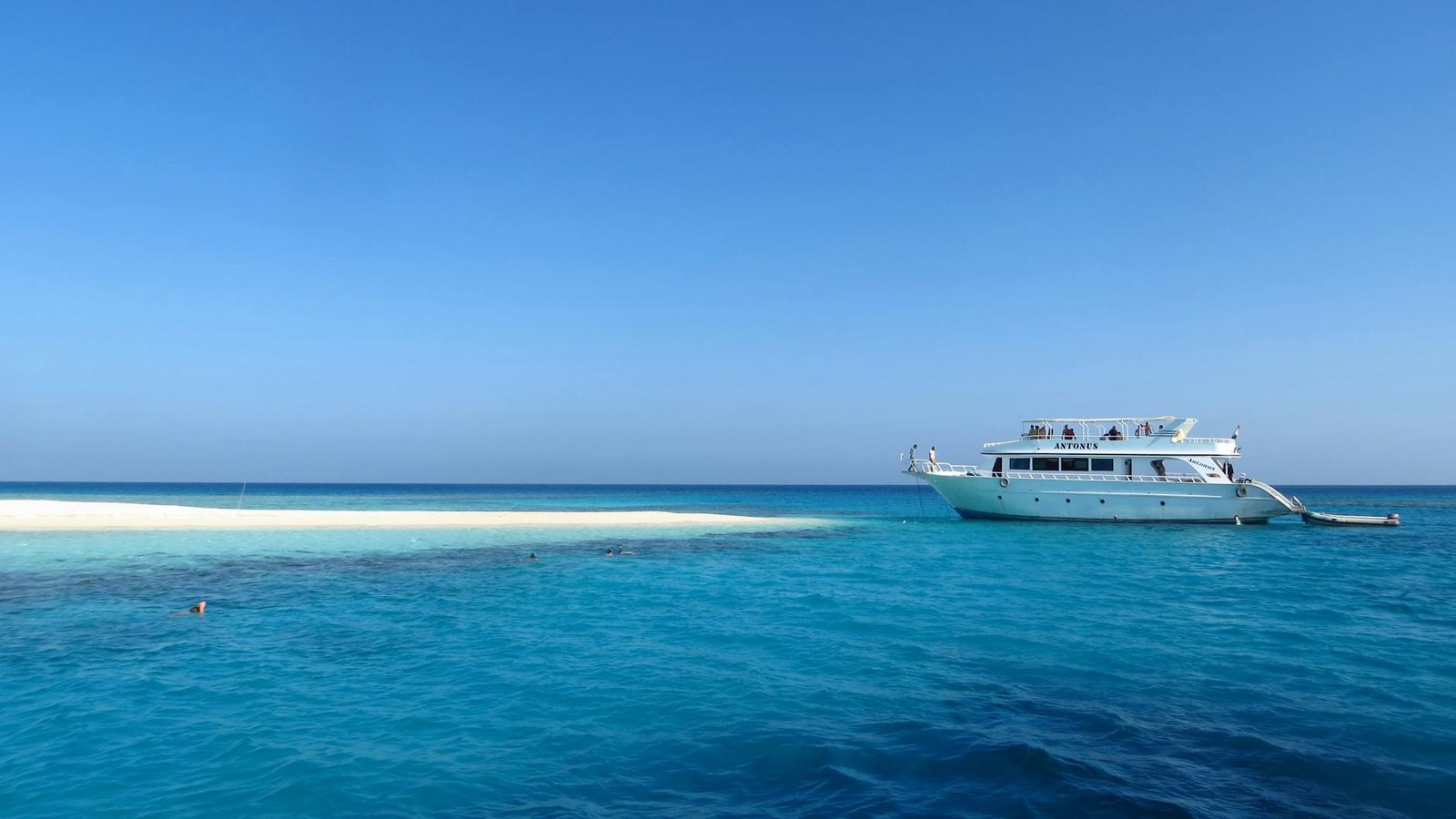
Guided boat trips typically include life jackets, flotation aids, and crew in the water with guests at all times — so confidence in open water matters far more than swimming ability. The common thread among first-timers isn't athleticism; it's curiosity.
Best Time of Year, and What a Day Actually Looks Like
The Red Sea is swimmable nearly year-round, but the sweet spot for most travelers runs from March to May and September to November, when the water is warm and the summer heat on land has eased slightly. A typical snorkeling excursion leaves by boat in the morning, stops at two or three reef sites, and includes a simple lunch on board between swims — making the sea itself, rather than a destination, the main event of the day.
Equipment is provided, crews are experienced in spotting marine life and keeping swimmers safely clear of coral, and most operators build in enough time at each stop that nobody feels rushed back onto the boat.
Part of a Bigger Egyptian Story
There's something fitting about a country so associated with the past also holding one of the world's most alive, constantly moving ecosystems just off its coast. Egypt rewards travelers twice over — once in the quiet of its temples, and again in the color and motion beneath its sea. Seeing both isn't a detour from the classic Egypt trip; for a growing number of visitors, it's the whole point of coming back.