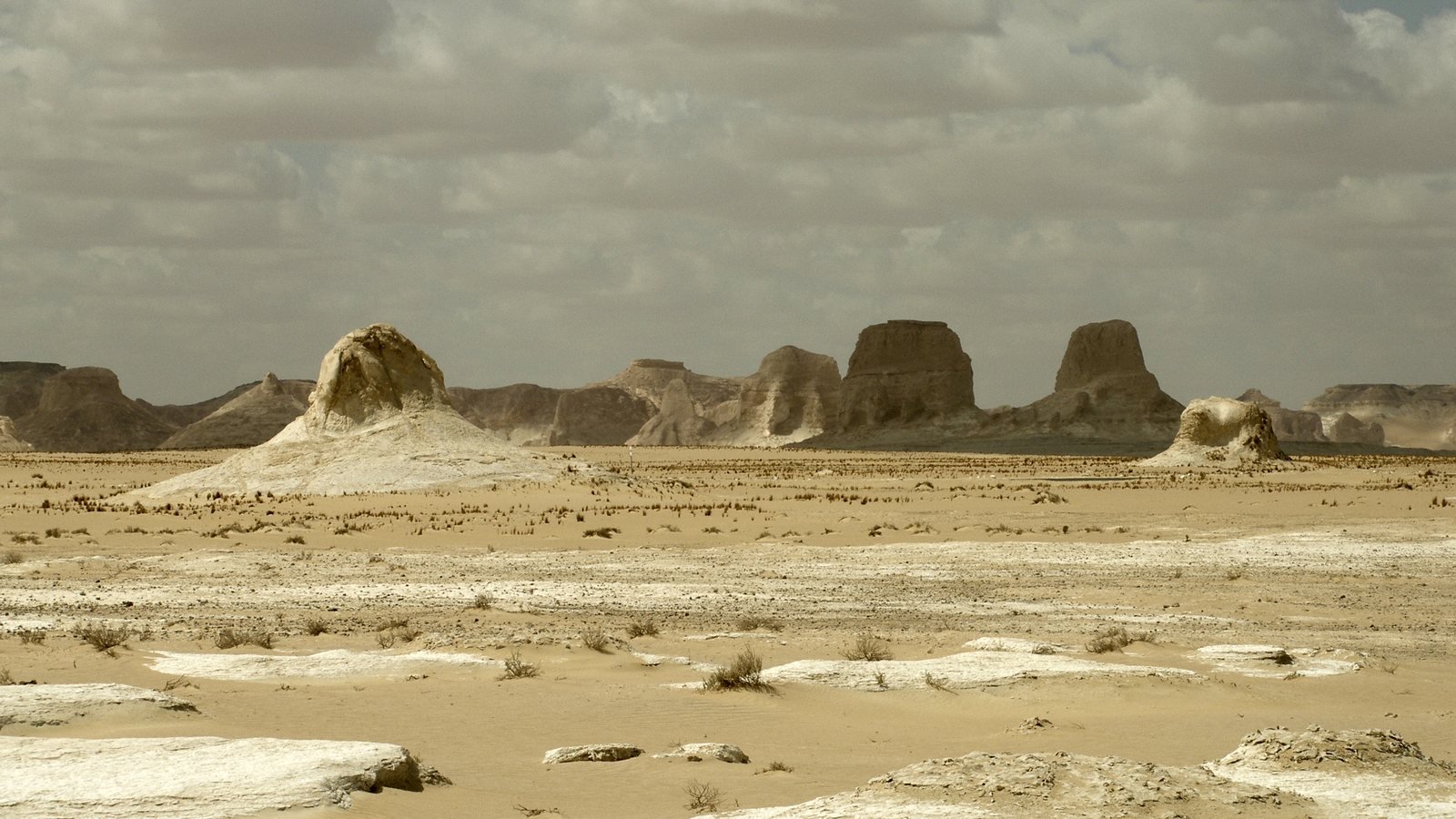
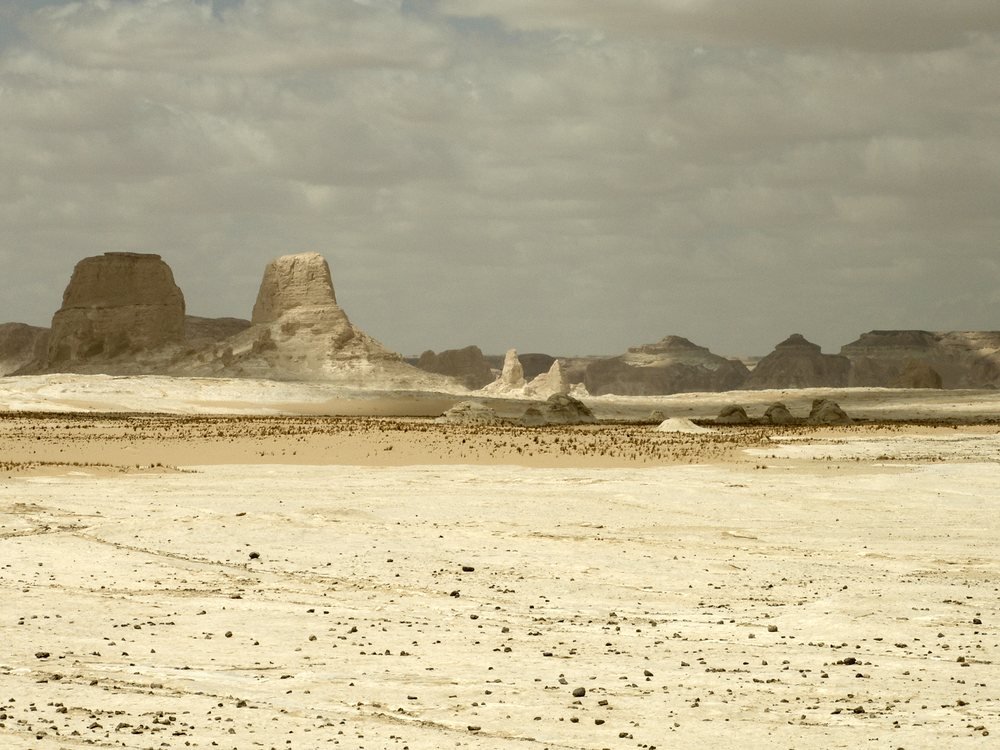
Most of Egypt's famous landscapes are built things — temples, tombs, pyramids, the accumulated work of people who have lived along the Nile for five thousand years. The White Desert is not built. It is the one place in the country where nature, not dynasty, produced something that stops visitors mid-sentence: a plain of pale chalk rock, sculpted by millennia of windblown sand into shapes that genuinely do not look like they belong on Earth — mushrooms, sphinxes, a half-melted ice cream cone the size of a house, something travelers have taken to calling "the chicken" for reasons that become obvious on arrival.
It sits deep in the Western Desert, roughly 500 kilometers from Cairo and about 45 kilometers north of the Farafra Oasis, and reaching it means driving through hours of flat, featureless sand before the first white outcrops appear on the horizon like icebergs. That drive is part of the experience. So is the oasis town of Bahariya, the practical gateway through which almost every White Desert trip passes — a place of palm groves, mineral hot springs, and a layered, under-told history that rarely gets more than a passing mention before travelers push on toward the chalk.
A Seabed Turned to Stone, Then Carved by Wind
The geology is the part most visitors never ask about, and it is the part that makes everything else make sense. Between roughly 100 and 66 million years ago, this entire stretch of the Sahara sat at the bottom of the ancient Tethys Sea. Microscopic marine algae called coccolithophores lived and died here in unimaginable numbers, their calcium-carbonate shells settling onto the seafloor layer upon layer until they compressed into a thick bed of soft, white chalk and limestone — the same basic material, geologically speaking, as the White Cliffs of Dover.
When the sea eventually retreated and the Sahara dried into desert, that chalk bed was left exposed to one of the harshest erosional forces on the planet: sustained, sand-laden desert wind. Chalk is a soft rock, and it does not erode evenly — harder caps resist longer than the softer stone beneath them, which is why so many formations end up top-heavy, a wide white crown balanced on a narrowing stem. Geologists estimate the current formations have been taking shape for roughly the last 30 million years, which means the mushroom you are photographing started as an undifferentiated slab of seabed stone long before any desert existed around it at all.
Camping Among the Chalk, After the Day-Trippers Leave
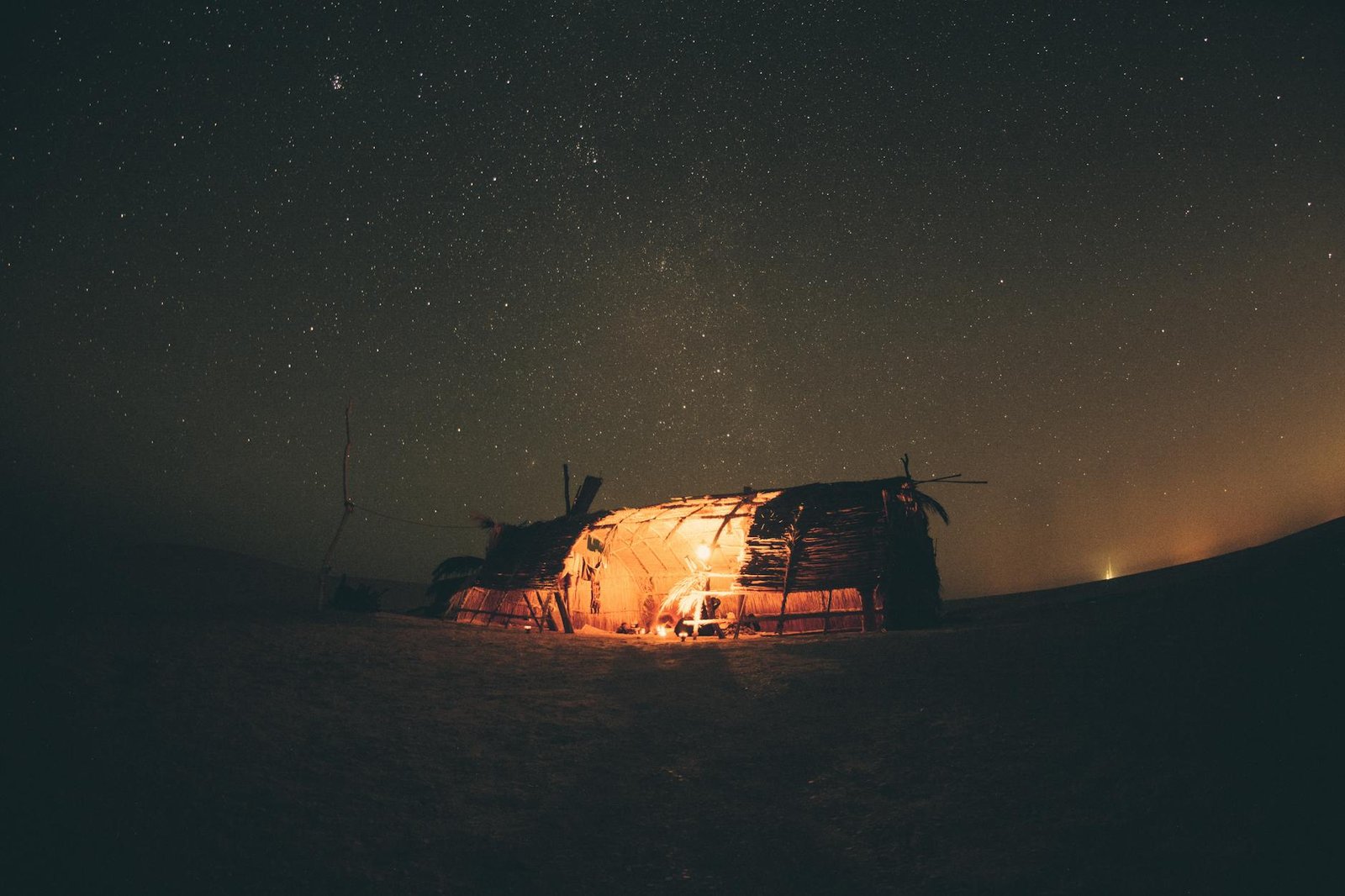
The White Desert changes character completely after sunset. Day visits exist and are worthwhile, but they miss the thing that actually defines the place for most travelers who make the trip: an overnight camp set up directly among the rock formations, with no tents in the conventional sense for most operators — just mattresses and sleeping bags laid out on the open sand, a campfire, and a Bedouin guide who has likely spent his entire working life memorizing which dune leads where.
With zero light pollution for dozens of kilometers in every direction, the night sky over the White Desert is one of the most complete anyone will ever see — the Milky Way rendered as a dense, visible band rather than an abstraction, and the pale rock formations around camp glowing faintly blue-white under starlight, almost luminous. Mornings bring a different kind of spectacle: sunrise light moving slowly across the chalk, turning it gold, then pink, then back to white as the sun clears the horizon, with the temperature swinging from a genuinely cold desert night to a warm desert morning within about an hour.
See It for Yourself
Photographs flatten the White Desert into something almost ordinary. Standing among the chalk formations at sunset, or waking up to them at dawn from a sleeping bag in the sand, is a different experience entirely. These Egypt Sun Travel desert journeys get you there safely, with an experienced driver-guide who knows the terrain.
The Black Desert and Crystal Mountain Along the Way
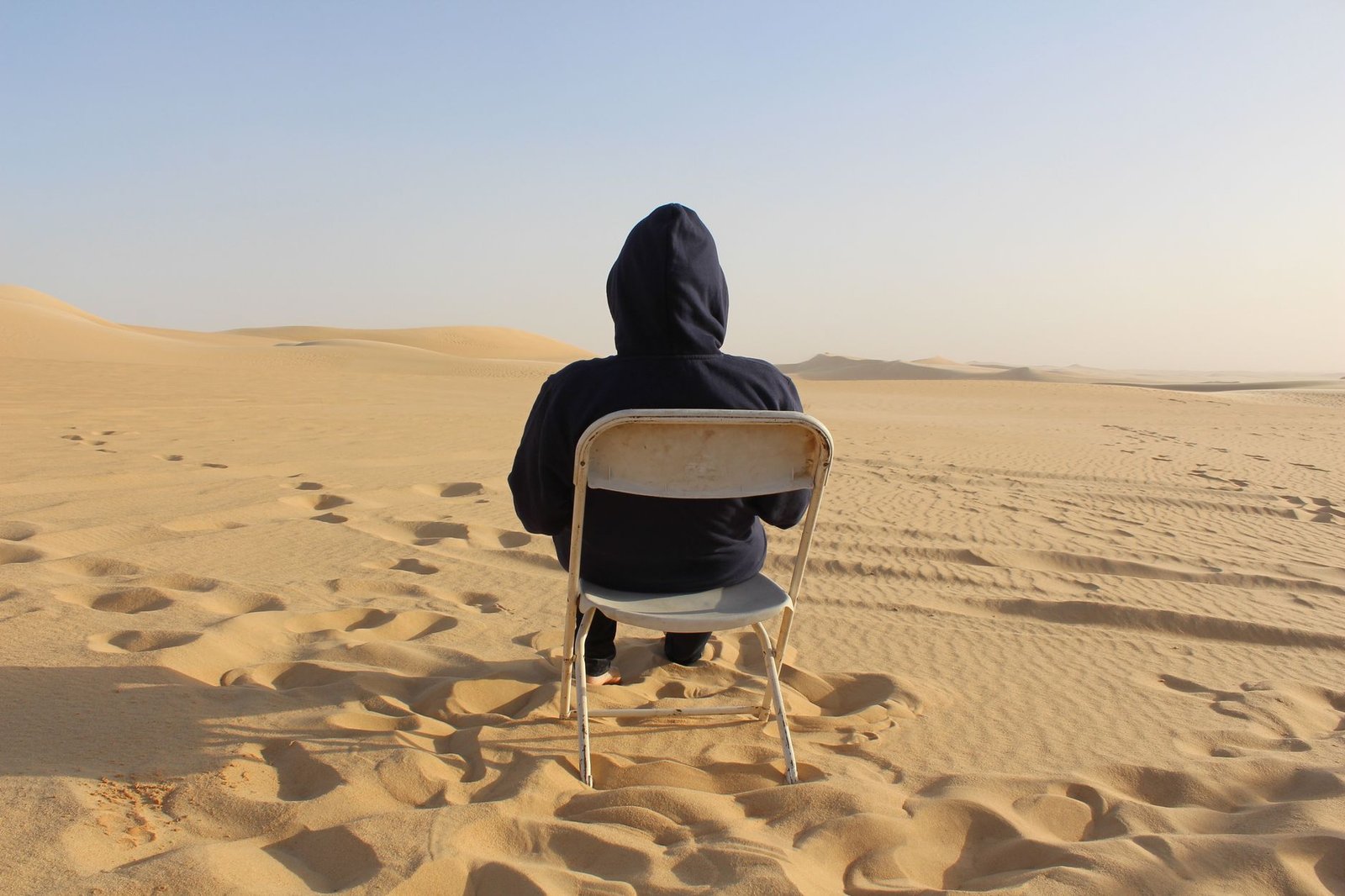
Almost every route between Bahariya and the White Desert passes through the Black Desert, a very different and equally striking landscape — a stretch of conical hills coated in dark basalt and iron-rich volcanic rock, the debris of eruptions that took place millions of years ago. From a distance the hills look like ordinary sand dunes that someone has dusted with soot; up close, the black stone against pale sand creates a landscape that photographs almost in monochrome, and most drivers stop at a viewpoint to let visitors climb one of the lower hills for the view back across the plain.
Further along, roughly midway between Bahariya and Farafra, Crystal Mountain breaks the monotony again — a low ridge laced with veins of calcite and barite crystal rather than true quartz, catching the light in sharp, glassy flashes as the road curves past it. None of these stops take long, but together they turn the drive itself into a kind of geological tour, three entirely different landscapes within a few hours of each other, long before the White Desert's chalk formations even come into view.
Bahariya Oasis: Hot Springs, Palms, and a Buried History
Bahariya itself tends to get treated as a refueling stop, which undersells it considerably. The oasis covers roughly 2,000 square kilometers of palm groves, olive and date orchards, and mineral hot springs fed by natural artesian wells — several of them open for a soak at the end of a dusty day, including springs reputed to ease joint and muscle pain that locals have used for generations. During the Second World War, the British used Bahariya as a desert base, and the ruins of that era still sit quietly on the outskirts, half-forgotten next to much older history.
That older history is substantial. Bahariya was a wine-producing center in Greco-Roman Egypt, and in 1996 it became internationally known after a donkey accidentally stumbled into part of what is now called the Valley of the Golden Mummies — a vast Greco-Roman necropolis containing thousands of mummies, many with gilded, painted cartonnage masks, only a fraction of which have been excavated. It is a reminder that in Egypt, even a dusty desert refueling stop can turn out to be sitting on top of one of the largest undiscovered burial sites of the last century.
Where the White Desert Fits in the Bigger Egyptian Story
Most trips to Egypt follow the Nile — Cairo, Luxor, Aswan, a river that explains almost everything about how this civilization survived and flourished for millennia. The White Desert sits outside that story entirely, a reminder that Egypt is also one of the driest, emptiest, and geologically strangest countries on Earth, and that its deserts were never simply obstacles between the Nile's settlements. They were crossed, inhabited, mined for crystal, and in Bahariya's case, quietly used as a burial ground on a scale archaeologists are still working through.
For travelers who have already seen the temples and the tombs, the White Desert offers something the Nile Valley cannot: a night with no history layered over it at all, just wind, chalk, and a sky full of stars that looked exactly the same when those temples were first being carved.